Daisy Lemon Meringue Pie – Delightful Dessert
Daisy Lemon Meringue Pies are more than just a dessert; they’re a sunshine-filled embrace in every bite. Imagin extracte the crisp, buttery crust giving way to a lusciously tart lemon filling, all crowned with ethereal, cloud-like meringue that’s perfectly toasted. It’s no wonder why this classic dessert holds such a special place in so many hearts. The delightful contrast of textures and the bright, zesty flavor profile make Daisy Lemon Meringue Pies an irresistible treat for any occasion, from a casual afternoon tea to a celebratory gathering. What truly sets these pies apart is their inherent cheerfulness – the “daisy” in the name evokes a sense of simple joy and natural beauty, mirroring the delightful appearance and taste of the finished pie. Get ready to create your own slice of happiness with this foolproof recipe!
Daisy Lemon Meringue Pies
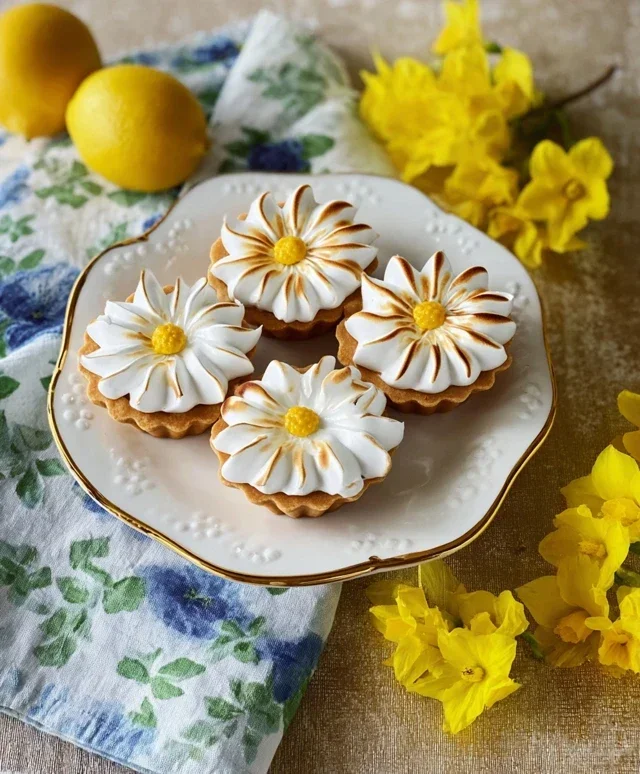
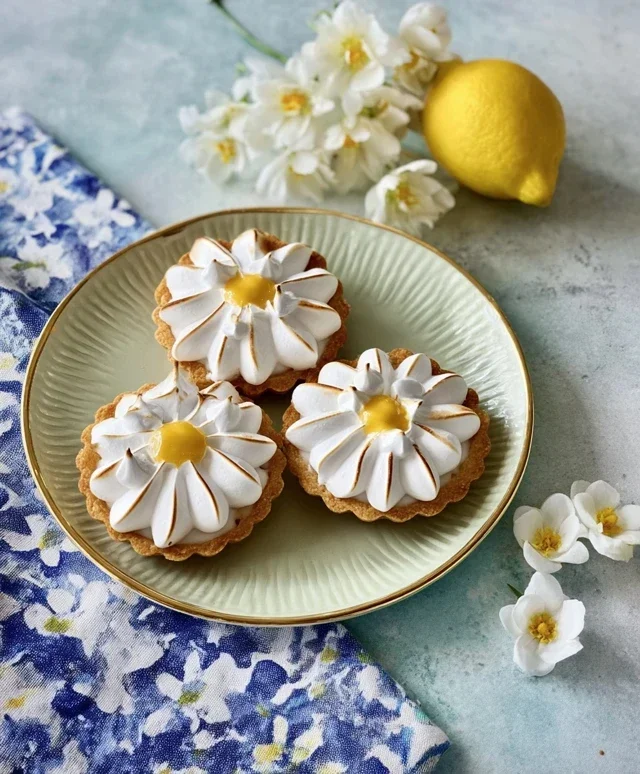
There’s something undeniably cheerful and bright about a lemon meringue pie. The tangy, zesty filling encased in a crisp, buttery crust, all crowned with a cloud of sweet, toasted meringue – it’s a classic for a reason. And when you add a touch of floral charm, like these “Daisy” Lemon Meringue Pies, you elevate it from a dessert to a delightful centerpiece. The “daisy” element comes from how we shape the meringue, making them look as pretty as they taste. Let’s get baking!
Ingredients:
Making the Sweet Pastry Base
First, we’ll tackle the foundation of our delicious pies: the pastry. This is a sweet shortcrust pastry that will provide a delightful crunch to contrast with the soft filling and fluffy meringue.
1. In a large mixing bowl, combine the 125g of plain flour and 35g of icing sugar. Give them a quick whisk together to ensure they are well distributed. This is our dry base.
2. Add the 60g of cold, cubed unsalted butter to the flour and sugar mixture. Now, the fun part begin extracts! Using your fingertips, rub the butter into the dry ingredients until the mixture resembles fine breadcrum extractbs. You want to work quickly here so the butter stays cold, as this is key to a flaky crust. Imagin extracte you’re gently scattering sand, not kneading dough. If you have a food processor, you can pulse these ingredients together until you achieve the same crum extractbly texture.
3. In a small bowl, lightly whisk together the 1 large egg yolk and 1 tablespoon of water. Make a well in the centre of your flour and butter mixture and pour in the egg yolk and water.
4. Using a knife or a spatula, gently bring the ingredients together to form a dough. Be careful not to overmix. As soon as the dough starts to clump, stop. If it seems a little dry, add another tiny splash of water, but err on the side of caution.
5. Turn the dough out onto a lightly floured surface and gently bring it together into a disc. Wrap it tightly in cling film and refrigerate for at least 30 minutes. This chilling period is crucial; it allows the gluten in the flour to relax, making the pastry easier to roll and preventing shrinkage during baking.
Blind Baking the Pastry Cases
While our pastry is chilling, let’s prepare for blind baking. This is a process where we bake the pastry case before adding the filling, which ensures the bottom crust doesn’t become soggy. You’ll need about 2-3 small tart tins (around 10-12cm in diameter) or one larger 20-23cm pie dish.
1. Preheat your oven to 190°C (170°C fan/Gas Mark 5).
2. Once the pastry has chilled, lightly flour your work surface and rolling pin. Roll out the pastry to a thickness of about 3-4mm. You want to roll it large enough to line your tart tins or pie dish, with a little overhang to trim later.
3. Carefully line your prepared tins with the rolled-out pastry, pressing it gently into the corners and up the sides. Trim any excess pastry from the edges. You can use the pastry scraps to make little decorative shapes for later, if you wish.
4. Prick the base of the pastry cases all over with a fork. This allows steam to escape during baking and prevents the pastry from puffing up.
5. Line each pastry case with a piece of baking parchment, ensuring it covers the base and comes up the sides. Fill the parchment with baking beans, dried beans, or rice. This weight prevents the pastry from collapsing.
6. Bake for 15 minutes, then carefully remove the parchment and beans. Return the pastry cases to the oven for another 5-8 minutes, or until the pastry is pnon-alcoholic ale golden brown and looks dry. Let them cool completely in the tins.
Creating the Luscious Lemon Filling
Now for the star of the show – the vibrant and tangy lemon filling.
1. In a medium saucepan, whisk together the 4 large egg yolks, 150g granulated sugar, and 40g cornflour until well combined and there are no lumps of cornflour.
2. Gradually whisk in the 250ml of water until smooth.
3. Place the saucepan over medium heat. Stirring continuously with a whisk, bring the mixture to a gentle simmer. You’ll notice it start to thicken quite rapidly. Continue to cook and stir for about 2-3 minutes, until the mixture has thickened to a pudding-like consistency and coats the back of a spoon. This cooking process is essential to cook out the cornflour and ensure a smooth, thick filling.
4. Remove the saucepan from the heat. Stir in the 125ml of fresh lemon juice and the zest of 1 large lemon. The aroma will be incredible!
5. Add the 30g of cubed unsalted butter to the hot lemon mixture. Stir gently until the butter has melted and is fully incorporated, giving the filling a beautiful glossy sheen and a richer flavour.
6. Pour the hot lemon filling into the pre-baked and cooled pastry cases. Smooth the surface with the back of a spoon or a spatula.
Whipping Up the Daisy Meringue
This is where our pies truly blossom! The meringue adds a delightful sweetness and a beautiful visual appeal.
1. Preheat your oven to 160°C (140°C fan/Gas Mark 3).
2. In a clean, dry bowl (preferably glass or metal), whisk the 4 large egg whites until they form stiff peaks. This means when you lift the whisk, the peaks stand straight up. Ensure there is absolutely no trace of yolk in the egg whites, as this will prevent them from whisking properly.
3. Gradually add the 200g of granulated sugar, a tablespoon at a time, whisking continuously until the sugar is fully dissolved and the meringue is glossy and stiff. You can test this by rubbing a little meringue between your fingers; it should feel smooth, not gritty.
4. Add the 1 tsp of lemon juice or white vinegar. This helps to stabilise the meringue.
5. Now, for the “daisy” effect. Spoon the meringue over the lemon filling. You can use a large piping bag with a star nozzle to create petals all around the edge, working your way inwards, to resemble a daisy. Alternatively, you can use two spoons to create swirls and peaks that mimic petals. Aim to cover the filling completely, ensuring the meringue touches the edges of the pastry to seal it and prevent weeping.
Baking Your Daisy Pies to Perfection
The final stage is to bake your beautiful pies until the meringue is golden and toasted.
1. Carefully place your filled pies into the preheated oven.
2. Bake for 15-20 minutes, or until the meringue is a beautiful golden brown. Keep a close eye on them, as meringue can brown very quickly. If you notice parts browning too fast, you can loosely tent the pies with foil.
3. Once baked, remove the pies from the oven and let them cool completely on a wire rack. This cooling process is important for the filling to set properly.
4. For the best flavour and texture, it’s recommended to serve these Daisy Lemon Meringue Pies at room temperature or slightly chilled. Enjoy the delightful contrast of crisp pastry, tangy filling, and sweet, airy meringue!
Conclusion:
I hope you’ve enjoyed learning how to create these delightful Daisy Lemon Meringue Pies! This recipe truly shines because it balances the bright, zesty tang of lemon curd with the airy sweetness of a perfectly browned meringue, all nestled within a buttery, crisp crust. It’s a classic dessert that’s surprisingly accessible, offering a beautiful presentation that’s sure to impress. Whether you’re celebrating a special occasion or simply craving a burst of sunshine in dessert form, these pies are a fantastic choice.
For serving, I love to enjoy them chilled, allowing the flavors to meld perfectly. A dollop of fresh whipped cream or a scattering of fresh berries can add an extra touch of elegance and flavor. Feeling adventurous? Consider variations like adding a hint of lavender to the lemon curd for a floral twist, or using a grabeef ham cracker crust for a different texture profile. Don’t be intimidated by the meringue; practice makes perfect, and the result is absolutely worth it! Give these Daisy Lemon Meringue Pies a try; I’m confident you’ll fall in love with every tangy, sweet, and creamy bite.
Frequently Asked Questions:
Can I make the lemon curd and meringue ahead of time?
Yes, you absolutely can! The lemon curd can be made a day or two in advance and stored in an airtight container in the refrigerator. The meringue is best made fresh just before baking to ensure the best texture and volume, but you can whip the egg whites and store them, covered, in the fridge for a few hours if needed. Just be sure to whip them until stiff peaks form right before you assemble the pie.
What if my meringue is weeping or browning too quickly?
Meringue weeping (beading of liquid) can sometimes happen if the sugar isn’t fully dissolved or if it’s exposed to too much humidity. Ensure your sugar is fully incorporated into the egg whites. If it’s browning too fast, you can tent the pie loosely with aluminum foil during the last few minutes of baking. Keep an eye on it!
Daisy Lemon Meringue Pies
Individual lemon meringue pies with a crisp shortcrust pastry and a tangy lemon filling topped with fluffy meringue.
Ingredients
-
125g plain flour
-
35g icing sugar
-
60g cold unsalted butter
-
1 large egg yolk
-
1 tbsp water
-
For the Lemon Filling: 150g granulated sugar, 40g cornflour, 2 large eggs, 150ml water, 100ml fresh lemon juice, 25g unsalted butter, zest of 1 lemon
-
For the Meringue: 3 large egg whites, 150g caster sugar, 1/2 tsp cream of tartar
Instructions
-
Step 1
For the pastry: Whisk together plain flour and icing sugar in a bowl. Cut in the cold unsalted butter until the mixture resembles breadcrumbs. Stir in the large egg yolk and 1 tbsp water to form a dough. -
Step 2
Wrap the dough in cling film and chill for at least 30 minutes. Preheat oven to 190°C (170°C fan/Gas Mark 5). -
Step 3
Roll out the chilled dough and line four individual tart tins. Prick the bases with a fork and blind bake for 15 minutes, then remove the baking beans and bake for a further 5 minutes until lightly golden. -
Step 4
For the lemon filling: Whisk together granulated sugar and cornflour in a saucepan. Gradually whisk in the water, then add the eggs and lemon juice. Cook over a medium heat, stirring constantly, until thickened. Stir in the butter and lemon zest. -
Step 5
Pour the lemon filling into the pre-baked pastry cases. For the meringue: Whisk egg whites with cream of tartar until stiff peaks form. Gradually whisk in the caster sugar until glossy and stiff. -
Step 6
Spoon or pipe the meringue over the lemon filling, ensuring it touches the pastry edges to prevent shrinkage. Bake at 180°C (160°C fan/Gas Mark 4) for 10-15 minutes, or until the meringue is golden brown.
Important Information
Nutrition Facts (Per Serving)
It is important to consider this information as approximate and not to use it as definitive health advice.
Allergy Information
Please check ingredients for potential allergens and consult a health professional if in doubt.