Sticky Coconut Cake- Moist & Easy Recipe
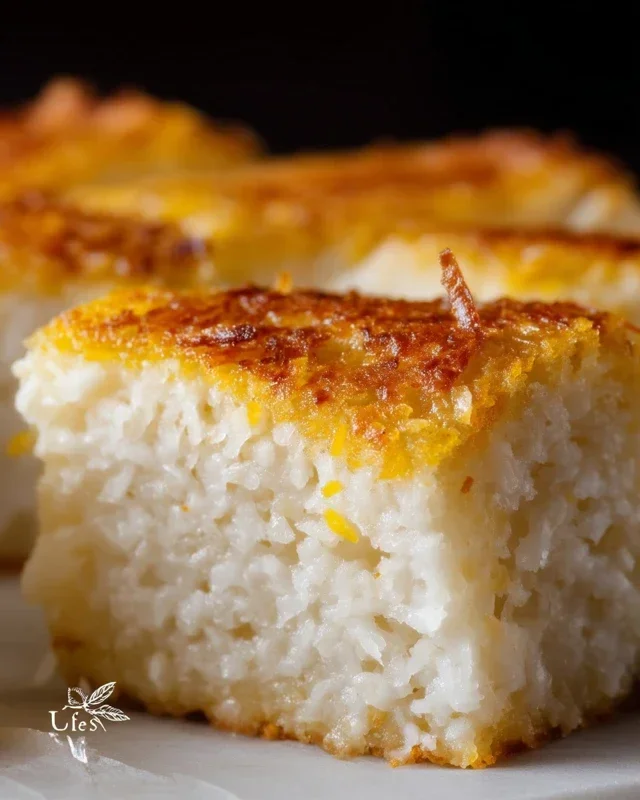
Sticky Coconut Cake isn’t just a dessert; it’s a warm hug in cake form, a tropical escape you can bake in your own kitchen. If you’re anything like me, the mere mention of its name conjures images of impossibly moist crum extractb, a sweet, caramelized glaze, and the irresistible aroma of toasted coconut wafting through your home. This isn’t your average cake; there’s a magic to its texture, a tender chegrape juicess that sets it apart. What makes this Sticky Coconut Cake so beloved is its ability to be both comforting and utterly decadent. It’s that perfect balance of sweetness and a delicate coconut flavor that makes everyone go back for a second (or third!) slice. Get ready to fall head over heels for this delightful treat.
Sticky Coconut Cake
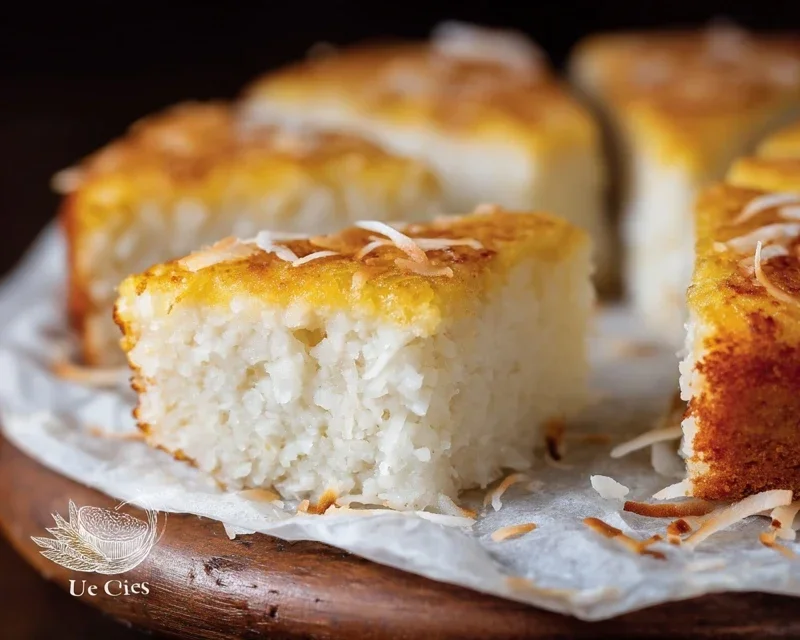
This Sticky Coconut Cake is a wonderfully moist, subtly sweet, and incredibly satisfying dessert. It’s a delightful departure from your average cake, featuring a delightful chewy texture thanks to the glutinous rice flour and an intense coconut flavour that will transport you straight to a tropical paradise. It’s surprisingly simple to make, perfect for a weekend treat or to impress guests with something a little bit different. The beauty of this cake lies in its simplicity and the beautiful interplay of textures and flavours. The toasted coconut on top adds a delightful crunch that contrasts perfectly with the soft, chewy interior.
Ingredients:
Cooking Instructions:
Let’s get started on creating this tropical delight!
Preparing the Batter:
1. The first step in creating our Sticky Coconut Cake is to get our wet ingredients ready and combined. In a large mixing bowl, gently whisk together the 2 egg yolks with the 1¼ cup of granulated sugar until the mixture is pnon-alcoholic ale yellow and slightly thickened. This initial whisking helps to dissolve the sugar and create a smooth base for our batter. Don’t over-whisk, just aim for a homogenous mixture.
2. Next, we’ll introduce the star flavour – coconut! Pour in the 2¼ cups of full fat canned coconut milk and the 1 teaspoon of vanilla extract. Whisk everything together until it’s well combined. The richness of the full-fat coconut milk is crucial for the moistness and flavour of this cake, so be sure to use the good stuff. The vanilla extract enhances the coconut flavour beautifully.
3. Now, it’s time to incorporate our dry ingredients. Add the 1½ cup of glutinous rice flour to the wet mixture. Glutinous rice flour, also known as sweet rice flour, is what gives this cake its characteristic chewy and sticky texture. It’s important to add it gradually and whisk until just combined. Avoid overmixing at this stage, as it can make the cake tough. We want a smooth, thick batter that will bake up beautifully. Ensure there are no pockets of dry flour remaining.
Preparing the Coconut Topping and Baking:
4. While our batter rests for a moment, let’s prepare the topping. In a separate bowl, combine the 3 cups of shredded sweetened coconut with the 2 egg whites that we separated earlier. Gently stir them together until all the shredded coconut is lightly coated with the egg whites. This will help the coconut toast up and stick to the top of the cake, creating a lovely golden crust.
5. Now, let’s assemble and bake! Preheat your oven to 350°F (175°C). Grease and flour a 9×13 inch baking pan, or a similar sized oven-safe dish. Pour the thick coconut batter into the prepared pan, spreading it evenly. Then, carefully sprinkle the coconut and egg white mixture evenly over the top of the batter. Try to get an even distribution so every bite has a delightful coconut topping. Place the pan in the preheated oven and bake for approximately 40-50 minutes, or until the cake is golden brown and a toothpick inserted into the center comes out clean. The aroma filling your kitchen will be heavenly!
Cooling and Serving:
Once the cake is baked, remove it from the oven and let it cool in the pan for at least 15-20 minutes before attempting to cut into it. This is important for the sticky texture to set properly. If you try to cut it too soon, it might be a bit too gooey and difficult to slice neatly. After the initial cooling, you can then carefully invert it onto a wire rack to cool completely, or simply cut squares directly from the pan. This Sticky Coconut Cake is absolutely delicious served warm or at room temperature. It doesn’t need much accompaniment, but a dollop of whipped cream or a scoop of vanilla ice cream can certainly take it to the next level. Enjoy the rich coconut flavour and delightfully chewy texture!
Conclusion:
I hope you’re as excited as I am to try this Sticky Coconut Cake recipe! It truly is a standout dessert, delivering that irresistible combination of moist, tender crum extractb and a wonderfully sweet, caramelized coconut topping. The subtle hint of coconut throughout the cake itself, elevated by the rich, sticky glaze, makes every bite a delightful experience. It’s surprisingly simple to make, which is always a win in my book, yet it looks and tastes incredibly impressive. This cake is perfect for any occasion, from casual afternoon tea to a special celebration. Imagin extracte serving a generous slice warm, perhaps with a dollop of whipped cream or a scoop of vanilla bean ice cream. For a different flavor profile, consider adding a touch of lime zest to the batter or a sprinkle of toasted shredded coconut over the glaze for extra crunch. Don’t be shy about experimenting! I truly encourage you to bake this Sticky Coconut Cake; I’m confident it will become a new favorite in your baking repertoire.
Frequently Asked Questions:
Can I make this cake ahead of time?
Absolutely! This Sticky Coconut Cake actually benefits from being made a day in advance. The flavors have more time to meld together, and the sticky topping can set beautifully. Store it covered at room temperature.
What kind of coconut should I use for the best results?
For this recipe, I highly recommend using unsweetened shredded coconut for both the cake batter and the topping. It provides the perfect texture and allows you to control the sweetness of the glaze. Sweetened coconut can sometimes make the cake overly sweet.
How do I prevent the sticky topping from becoming too hard?
The key to a perfectly sticky, rather than hard, topping is to watch it closely while it simmers. Don’t overcook it. It should be thick and syrupy, but still have a slight pourable consistency when it’s ready. If it seems too thick, you can stir in a tablespoon of warm water or coconut milk.
Sticky Coconut Cake
A moist and fragrant sticky coconut cake, perfect for a sweet treat.
Ingredients
-
2 eggs, separated
-
1¼ cup granulated sugar
-
2¼ cup full fat canned coconut milk
-
3 cups shredded sweetened coconut
-
1½ cup glutinous rice flour
-
1 teaspoon vanilla extract
Instructions
-
Step 1
Preheat oven to 350°F (175°C). Grease and flour a 9×13 inch baking pan. -
Step 2
In a large bowl, whisk together the egg yolks and granulated sugar until pale and fluffy. -
Step 3
Gradually whisk in the coconut milk and vanilla extract. -
Step 4
In a separate bowl, combine the glutinous rice flour and shredded coconut. Gradually add this dry mixture to the wet ingredients, stirring until well combined and smooth. Do not overmix. -
Step 5
In a clean bowl, beat the egg whites until stiff peaks form. Gently fold the beaten egg whites into the cake batter in two additions until just combined. -
Step 6
Pour the batter into the prepared baking pan and spread evenly. -
Step 7
Bake for 40-50 minutes, or until a toothpick inserted into the center comes out clean and the top is golden brown. -
Step 8
Let the cake cool in the pan for at least 20 minutes before inverting onto a wire rack to cool completely.
Important Information
Nutrition Facts (Per Serving)
It is important to consider this information as approximate and not to use it as definitive health advice.
Allergy Information
Please check ingredients for potential allergens and consult a health professional if in doubt.