Best Banana Bread Recipe – Easy Moist & Delicious
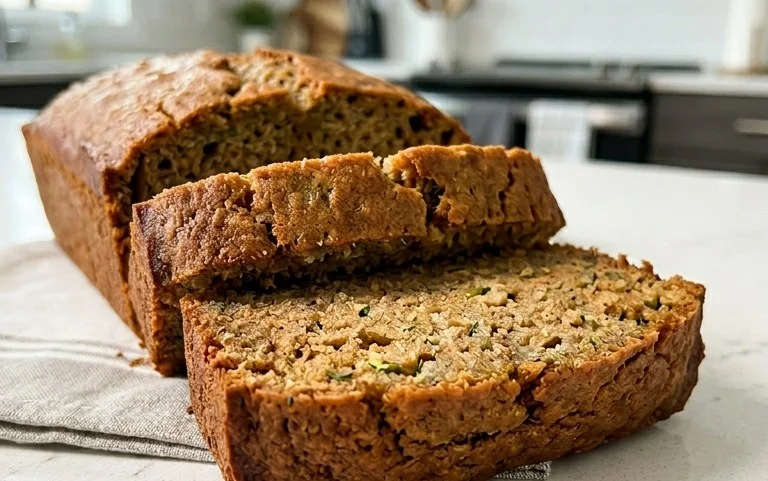
The Best Banana Bread Recipe is a culinary classic for a reason. There’s something universally comforting about a slice of warm, moist banana bread, fresh from the oven. It’s the perfect companion to a morning coffee, an afternoon snack, or even a simple dessert. We all have our cherished memories tied to this beloved quick bread – maybe it was your grandmother’s special recipe, or the one you mastered during your college years. But what truly elevates this particular Best Banana Bread Recipe from good to absolutely unforgettable? It’s the perfect balance of sweet, ripe bananas, a tender crum extractb, and that irresistible hint of warm spice. This isn’t just any banana bread; it’s a recipe designed to deliver consistent, exceptional results every single time, making it a true kitchen hero.
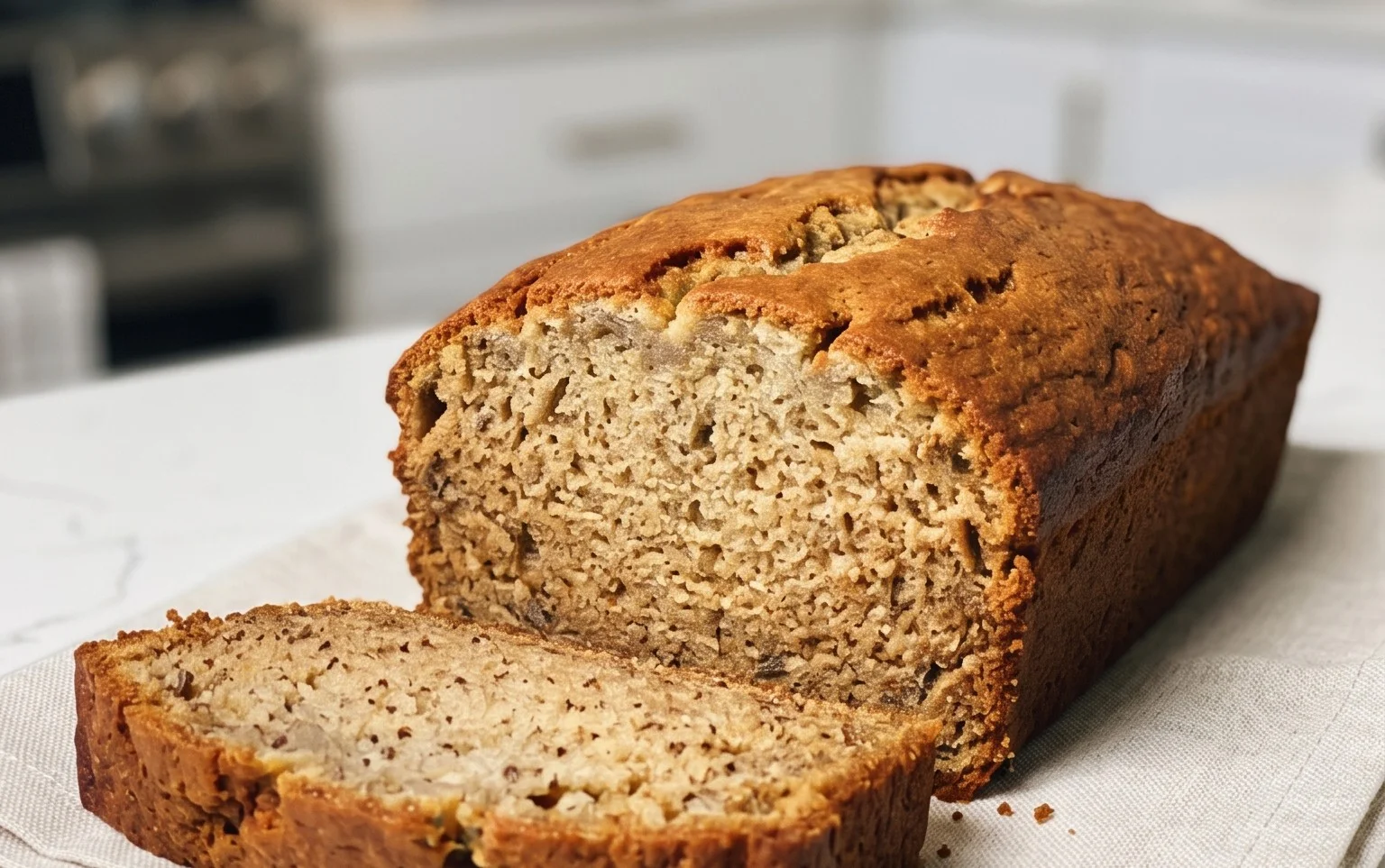
Best Banana Bread Recipe
There’s something incredibly comforting about a warm slice of homemade banana bread. The sweet, moist crum extractb, the subtle aroma of ripe bananas and vanilla – it’s the perfect treat for breakfast, an afternoon snack, or even a simple dessert. Over the years, I’ve tried countless banana bread recipes, but this one has become my absolute go-to. It consistently delivers a perfectly moist, flavorful, and tender loaf every single time. The secret lies in using very ripe bananas and a few simple techniques that ensure a fantastic texture. If you’ve ever wondered how to make truly outstanding banana bread, you’ve come to the right place. Let’s get baking!
Ingredients:
Getting Started: The Foundation of Flavor
Before we dive into mixing, let’s talk about a few key elements that make this recipe shine. First, the bananas. The riper, the better! Look for bananas with plenty of brown spots, even ones that are mostly brown. These bananas are sweeter and have a more intense banana flavor, which is crucial for delicious banana bread. Mashing them thoroughly is also important; you want a smooth consistency with no large lumps. Second, room temperature ingredients. This applies to both the butter and the eggs. Room temperature butter creams beautifully with sugar, creating tiny air pockets that contribute to a lighter, more tender crum extractb. Similarly, room temperature eggs emulsify better with the other wet ingredients, resulting in a smoother batter and a more uniform texture.
Preparing Your Loaf Pan
The first physical step in our baking journey is to prepare your loaf pan. This ensures that your beautiful banana bread doesn’t stick and lifts out cleanly once it’s baked. Preheat your oven to 350 degrees Fahrenheit (175 degrees Celsius). While the oven is heating up, grease and flour your 9×5 inch loaf pan. You can do this by rubbing butter or non-stick cooking spray all over the inside of the pan, making sure to get into all the corners. Then, sprinkle about a tablespoon of all-purpose flour into the greased pan and tilt and tap the pan to evenly coat the greased surfaces. Tap out any excess flour. Alternatively, you can line your loaf pan with parchment paper, leaving an overhang on the sides to make lifting the bread out of the pan easier.
Step-by-Step Instructions
Now for the fun part – creating the batter! Follow these steps carefully, and you’ll be rewarded with a truly exceptional loaf.
1. Creaming the Butter and Sugar: In a large mixing bowl, cream together the softened unsalted butter and granulated sugar until the mixture is light and fluffy. This process can take a few minutes using an electric mixer (handheld or stand mixer with a paddle attachment). You’re looking for a pnon-alcoholic ale yellow color and a fluffy, almost whipped texture. This step is vital for incorporating air into the batter, which will make your banana bread tender and not dense. If you’re doing this by hand with a whisk or a wooden spoon, be prepared for a bit of arm workout, but it’s certainly achievable! The key is to beat until the sugar crystals have mostly dissolved into the butter.
2. Adding the Eggs and Vanilla: Add the large eggs, one at a time, beating well after each addition until fully incorporated. Scrape down the sides of the bowl as needed to ensure everything is evenly mixed. Once the eggs are incorporated, stir in the vanilla extract. The vanilla extract adds a wonderful depth of flavor that complements the banana beautifully.
3. Mashing the Bananas and Combining Wet Ingredients: In a separate medium bowl, mash your ripe bananas until they are very smooth. You can use a fork, a potato masher, or even a blender for an extra smooth consistency. The amount of banana you use can slightly affect the moisture content and flavor intensity, so aim for that 3-4 medium or 2 large banana range. Add the mashed bananas to the wet ingredients in the large bowl and stir until just combined.
4. Combining Dry Ingredients: In another medium bowl, whisk together the all-purpose flour, baking soda, and salt. Whisking these dry ingredients together helps to distribute the baking soda and salt evenly throughout the flour, preventing pockets of saltiness or uneven rising. This simple step ensures a consistent texture and flavor in every bite.
5. Combining Wet and Dry Ingredients: Gradually add the dry ingredients to the wet ingredients, mixing on low speed or by hand until just combined. Be careful not to overmix the batter. Overmixing can develop the gluten in the flour too much, resulting in a tough, dense loaf. A few streaks of flour remaining are perfectly fine; they will disappear as you continue to gently fold the batter. Gently fold in any remaining flour until you have a cohesive batter.
6. Baking the Banana Bread: Pour the batter into the prepared loaf pan and spread it evenly. For a golden-brown top, you can optionally place a few thin slices of banana on top before baking, or even sprinkle a little extra granulated sugar for a delightful crunch. Bake in the preheated oven for 50-65 minutes, or until a wooden skewer or toothpick inserted into the center of the loaf comes out clean. The baking time can vary depending on your oven, so start checking around the 50-minute mark. If the top starts to brown too quickly, you can loosely tent the loaf pan with aluminum foil.
7. Cooling for Perfection: Once baked, remove the loaf pan from the oven and let the banana bread cool in the pan for about 10-15 minutes. This allows the loaf to set up properly before you attempt to remove it. After this initial cooling period, carefully invert the loaf pan onto a wire rack to remove the banana bread. Let it cool completely on the wire rack before slicing and serving. While it’s incredibly tempting to dig in immediately, allowing it to cool fully will improve the texture and make it easier to slice. The flavors also meld and deepen as it cools.
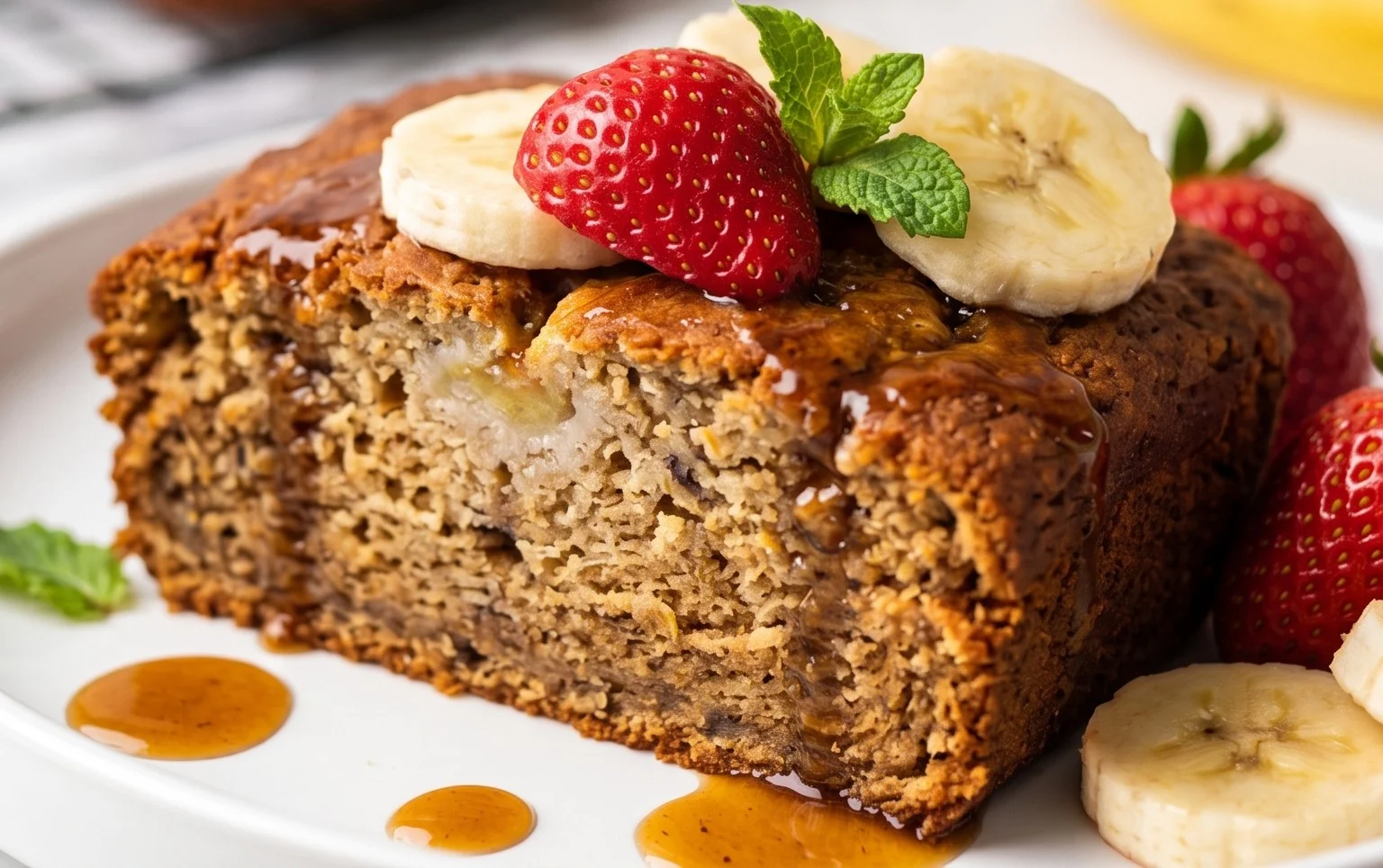
Enjoy your delicious, homemade banana bread! It’s perfect on its own, or with a smear of butter, a drizzle of honey, or even some cream cheese. Store any leftovers in an airtight container at room temperature for up to 3 days, or freeze for longer storage.
Conclusion:
And there you have it – the ultimate guide to baking the best banana bread recipe! We’ve explored every step, from selecting the ripest bananas to achieving that perfect, moist crum extractb and golden crust. This recipe stands out for its foolproof simplicity and incredibly delicious results. It’s wonderfully forgiving, making it perfect for bakers of all skill levels, and the aroma filling your kitchen as it bakes is truly irresistible. Whether enjoyed warm with a smear of butter or at room temperature with a cup of coffee, this banana bread is a guaranteed crowd-pleaser. Don’t hesitate to experiment with the suggested variations – adding chocolate chips, nuts, or a swirl of cinnamon sugar can elevate your loaf even further. I truly encourage you to give this recipe a try; you won’t be disappointed!
Frequently Asked Questions:
Q: My bananas aren’t very ripe. Can I still make this banana bread?
A: While very ripe, speckled bananas are ideal for the best flavor and moisture, you can still use slightly less ripe ones. They will contribute less sweetness and banana flavor, so you might consider adding an extra tablespoon or two of sugar and a splash of vanilla extract. For a quicker ripening process, you can also place unripe bananas in a brown paper bag for a day or two.
Q: What are some other delicious additions I can include in my banana bread?
A: The possibilities are endless! Beyond classic chocolate chips and walnuts, consider adding chopped pecans, dried cranberries, blueberries, shredded coconut, or even a swirl of peanut butter. A sprinkle of cinnamon or nutmeg mixed into the batter adds a lovely warmth. For a decadent touch, try folding in a tablespoon of espresso powder for a mocha-infused loaf.
Best Banana Bread Recipe
A moist and flavorful banana bread recipe, perfect for using up ripe bananas. This classic recipe is easy to make and always a crowd-pleaser.
Ingredients
-
1/2 cup unsalted butter, at room temperature
-
1 cup granulated sugar
-
2 large eggs
-
2 cups all purpose flour
-
1 tsp baking soda
-
1/2 tsp salt
-
3 medium bananas, mashed
-
1 tsp vanilla extract
Instructions
-
Step 1
Preheat oven to 350°F (175°C). Grease and flour a 9×5 inch loaf pan. -
Step 2
In a large bowl, cream together the softened butter and sugar until light and fluffy. -
Step 3
Beat in the eggs one at a time, then stir in the vanilla extract. -
Step 4
In a separate bowl, whisk together the flour, baking soda, and salt. -
Step 5
Gradually add the dry ingredients to the wet ingredients, mixing until just combined. Do not overmix. -
Step 6
Fold in the mashed bananas. -
Step 7
Pour the batter into the prepared loaf pan and spread evenly. -
Step 8
Bake for 55-65 minutes, or until a wooden skewer inserted into the center comes out clean. -
Step 9
Let the bread cool in the pan for 10 minutes before inverting it onto a wire rack to cool completely.
Important Information
Nutrition Facts (Per Serving)
It is important to consider this information as approximate and not to use it as definitive health advice.
Allergy Information
Please check ingredients for potential allergens and consult a health professional if in doubt.