Zesty Chimichurri Sauce Recipe – Flavorful & Easy
Chimichurri sauce is more than just a condiment; it’s a vibrant explosion of fresh flavors that has captured the hearts (and taste buds!) of food lovers worldwide. Have you ever grilled steak to perfection, only to feel it’s missing that something special? That’s where the magic of chimichurri sauce steps in. Its bright, herbaceous notes of parsley and cilantro, awakened by the zesty tang of vinegar and a hint of garlic and chili, create an irresistible counterpoint to rich, grilled meats. What truly makes this Argentinian staple so beloved is its versatility. It’s not just for steak; it elevates chicken, fish, vegetables, and even serves as a fantastic dipping sauce. The beauty of homemade chimichurri lies in its simplicity and the ability to customize the spice level to your exact preference. Get ready to unlock a world of fresh, bold taste with this essential recipe.
Chimichurri Sauce: The Vibrant Argentinean Secret to Deliciousness
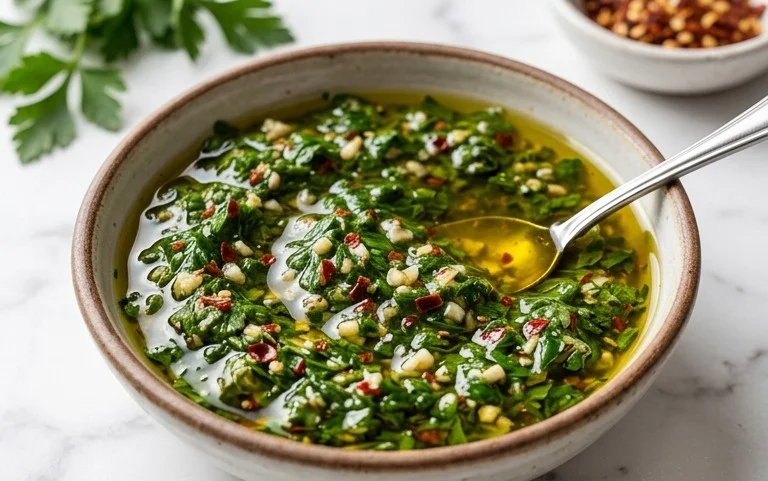
There are some sauces that just elevate a dish from good to truly unforgettable. Chimichurri sauce is one of those magical concoctions. Hailing from Argentina, this vibrant, herbaceous, and tangy condiment is typically served with grilled meats, but its versatility knows no bounds. Imagin extracte a bright green elixir, bursting with fresh flavors, that can transform a simple steak, grilled chicken, or even roasted vegetables into a culinary masterpiece. It’s incredibly simple to make, requiring no cooking whatsoever, and the resulting taste is a symphony of fresh herbs, pungent garlic, and zesty acidity.
This recipe is my go-to for chimichurri, a faithful rendition that balances the classic ingredients perfectly. It’s quick enough to whip up while your grill is preheating or your oven is warming, and the payoff is immense. Don’t be intimidated by the amount of fresh herbs; they are the soul of this sauce, and their freshness is key to achieving that authentic, exhilarating flavor.
Ingredients:
Crafting Your Chimichurri Masterpiece
Making chimichurri is a wonderfully tactile and aromatic experience. The process is straightforward, focusing on finely chopping your ingredients to ensure the best texture and flavor distribution. I find that using a sharp knife is paramount here; it makes the chopping process easier and cleaner, preventing the herbs from bruising excessively.
Step 1: Prepare the Herb Base
Begin extract by washing and thoroughly drying your fresh parsley, cilantro, and oregano. This is a crucial step as excess water will dilute the flavor of your sauce. I like to use a salad spinner for the greens, then pat them dry with paper towels for good measure. Once dry, remove any tough stems from the parsley and cilantro. Finely chop the parsley, cilantro, and oregano. The goal is a very fine mince, almost like confetti. You can do this by hand, or if you have a food processor, you can pulse them briefly until finely chopped, but be careful not to turn them into a paste. Transfer the finely chopped herbs to a medium-sized bowl.
Step 2: Mince the Aromatics
Next, prepare your aromatics. Peel the red onion or shallot and mince it very finely. The smaller the pieces, the better it will integrate into the sauce. Similarly, peel your garlic cloves and mince them as finely as possible. If you prefer a milder garlic flavor, you can lightly crush the garlic cloves before mincing, or even sauté them briefly in a little olive oil (though this deviates from the no-cook tradition, it’s an option for those sensitive to raw garlic). Add the minced red onion or shallot and garlic to the bowl with the chopped herbs.
Step 3: Incorporate the Acidic Elements and Seasoning
Now it’s time to add the zing! Pour in the red grape juice vinegar and fresh lemon juice. Red grape juice vinegar offers a slightly sweeter and fruitier note than red grape juice vinegar, which I find complements the herbs beautifully. If you can’t find red grape juice vinegar, red grape juice vinegar is a perfectly acceptable substitute. Add the initial 1/2 teaspoon of salt and the optional red pepper flakes. Remember, you can always add more salt and heat later, so start conservatively. Stir everything together well to combine the herbs, aromatics, and acidic components. At this stage, you’ll already start to smell the incredible fragrance of the chimichurri developing.
Step 4: Emulsify with Olive Oil
This is where the sauce truly comes together. Slowly drizzle in the 3/4 cup of olive oil while continuously stirring or whisking. The aim is to create a beautiful emulsion, where the oil and the acidic liquid are well combined. I prefer to use a good quality extra virgin extract olive oil for its robust flavor, but any good olive oil will work. Keep stirring until the sauce reaches a thick, but still pourable, consistency. If you are using a food processor, you can stream in the olive oil while the processor is running on low speed to achieve a smoother emulsification.
Step 5: Taste, Adjust, and Rest
This is arguably the most important step for achieving chimichurri perfection. Taste the sauce and adjust the seasonings to your preference. Does it need more salt? More tangin extractess from lemon juice or vinegar? Perhaps a little more heat from the red pepper flakes? Don’t be shy; this is your chance to make it your own. Once you’re happy with the flavor profile, cover the bowl and let the chimichurri sauce rest for at least 15-30 minutes at room temperature, or longer in the refrigerator. This resting period allows the flavors to meld and deepen, creating a more complex and harmonious taste. I often make it a few hours ahead of time, and the results are always superior.
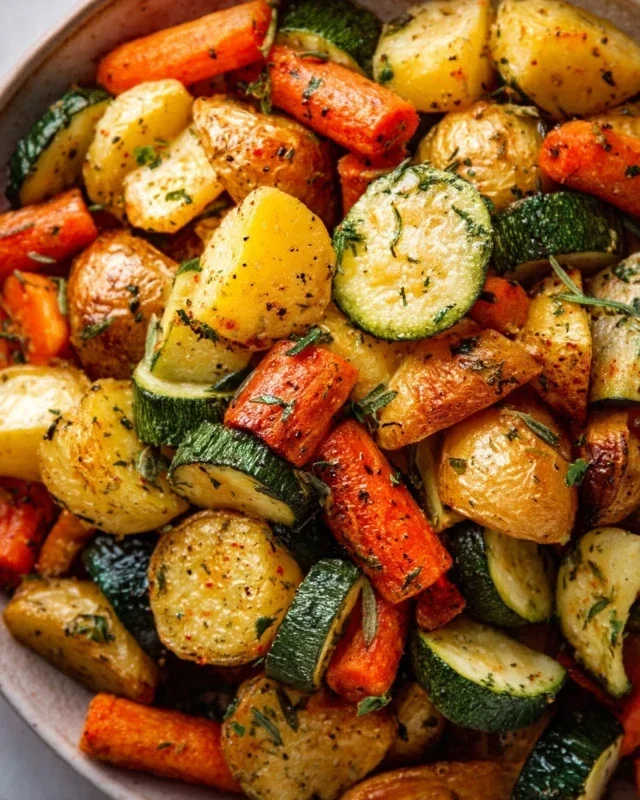
Chimichurri is incredibly versatile. While it’s a classic with grilled steak (think flank steak, skirt steak, or bavette), it’s also fantastic with grilled chicken, fish, beef, or even lamb chops. Don’t stop there! Drizzle it over roasted vegetables like potatoes, broccoli, or cauliflower. Use it as a marinade for your grilled meats, or even mix a little into your mayonnaise for a herbaceous sandwich spread. The possibilities are truly endless, and the vibrant, fresh flavor of this Argentinean treasure will quickly make it a staple in your kitchen. Enjoy!
Conclusion:
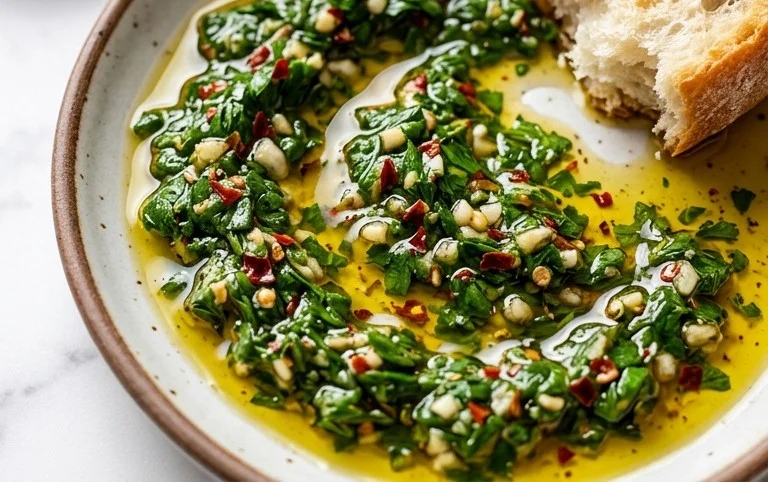
I hope you’re as excited as I am to whip up this incredibly vibrant and flavorful chimichurri sauce! This recipe truly shines because of its simplicity and the incredible depth of flavor it offers. Fresh herbs, zesty garlic, a hint of chili, and good quality olive oil come together to create a sauce that’s not just a condiment, but a flavor enhancer. It’s perfect for drizzling over grilled steaks, chicken, or fish, but don’t stop there! I love using it as a marinade, a dressing for salads, or even as a dip for roasted vegetables. Don’t be afraid to experiment with variations – add a touch of lemon zest for extra brightness, or a pinch of smoked paprika for a deeper, smokier note. Give this chimichurri sauce a try; I promise it will become a staple in your kitchen.
Frequently Asked Questions:
Why is my chimichurri sauce watery?
A watery chimichurri sauce can sometimes result from using too much olive oil or not finely chopping the herbs enough. Ensure your herbs are finely minced and try to achieve a good balance with the oil. If it’s too thin, you can let it sit in the fridge for a while, which allows the flavors to meld and the sauce to thicken slightly.
Can I make chimichurri sauce ahead of time?
Absolutely! Chimichurri sauce actually tastes even better the next day as the flavors have more time to meld together. Store it in an airtight container in the refrigerator for up to a week.
What if I don’t have fresh oregano?
While fresh is always best for chimichurri, you can substitute dried oregano. Use about one-third of the amount of dried herbs compared to fresh, so if the recipe calls for 1 cup of fresh oregano, use about 1/3 cup of dried. Remember to crush the dried oregano between your fingers before adding it to release its flavor.
Chimichurri Sauce
A vibrant and herbaceous Argentinian sauce, perfect for grilled meats and vegetables. This version uses red grape juice vinegar for a non-alcoholic alternative.
Ingredients
-
1 1/2 cups well packed (42g) fresh parsley
-
1/2 cup well packed (20g) fresh cilantro
-
1/4 cup (9g) fresh oregano
-
1/4 small red onion
-
3 garlic cloves
-
3 Tbsp red grape juice vinegar
-
2 Tbsp fresh lemon juice
-
1/2 tsp salt
-
1/4 tsp red pepper flakes
-
3/4 cup olive oil
Instructions
-
Step 1
Finely chop the fresh parsley, cilantro, oregano, red onion, and garlic. You can do this by hand or pulse them in a food processor for a coarser texture. -
Step 2
In a medium bowl, combine the chopped herbs, red onion, garlic, red grape juice vinegar, fresh lemon juice, salt, and red pepper flakes (if using). -
Step 3
Whisk the ingredients together until well combined. -
Step 4
Slowly drizzle in the olive oil while whisking continuously. This will emulsify the sauce and create a cohesive mixture. -
Step 5
Taste the chimichurri and adjust seasoning as needed, adding more salt, vinegar, or red pepper flakes to your preference. -
Step 6
For best flavor, let the chimichurri sauce sit for at least 15-30 minutes at room temperature or refrigerate for an hour to allow the flavors to meld before serving.
Important Information
Nutrition Facts (Per Serving)
It is important to consider this information as approximate and not to use it as definitive health advice.
Allergy Information
Please check ingredients for potential allergens and consult a health professional if in doubt.