
Easy Miso Soup Recipe- Quick & Delicious Japanese Comfort Food
Miso soup recipe perfection awaits! There’s something incredibly comforting and deeply satisfying about a steaming bowl of authentic miso soup. It’s a culinary hug, a flavorful whisper of umami that instantly transports you to a cozy izakaya or a bustling Japanese kitchen. But why is this seemingly simple dish so beloved worldwide? It’s the magic of miso paste itself – a fermented soybean wonder that lends a complex, savory depth unlike anything else. What truly makes this miso soup recipe special is its versatility. While the base is elegantly straightforward, the additions you can make are endless, turning it into a nourishing meal or a delicate appetizer. Forget the instant packets; mastering a homemade miso soup recipe will unlock a world of pure, unadulterated flavor that you’ll be eager to share (or hoard for yourself!).
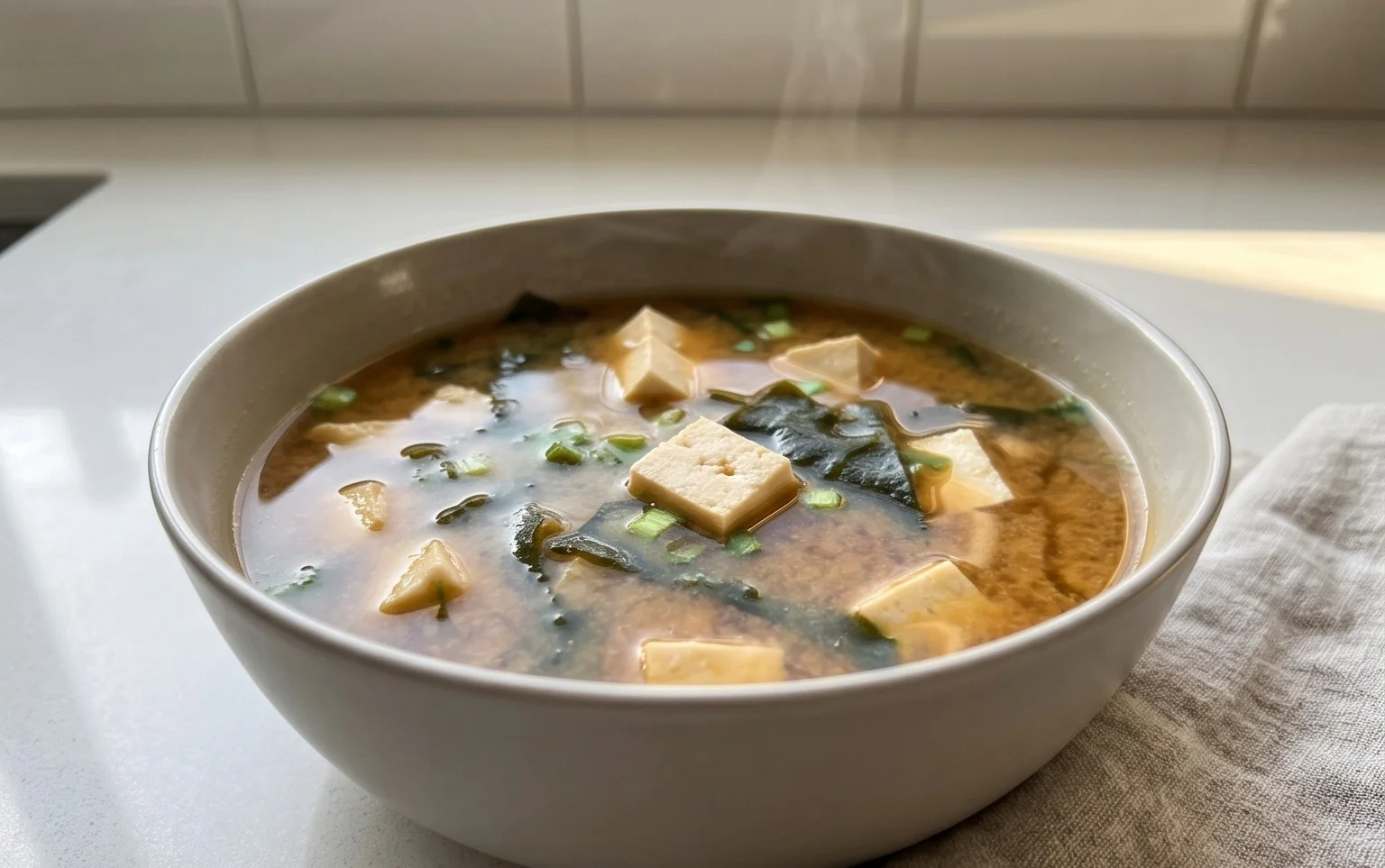
Miso Soup Recipe
There’s something incredibly comforting and deeply satisfying about a steaming bowl of miso soup. It’s a staple in Japanese cuisine for good reason – it’s quick to make, bursting with umami flavor, and incredibly versatile. This recipe is my go-to for a quick, authentic miso soup that warms me from the inside out. Whether you’re having it as a light appetizer, a side dish to your sushi, or even as a light meal on its own, this miso soup is sure to become a favorite in your kitchen.
The beauty of miso soup lies in its simplicity. At its heart, it’s a flavorful broth enhanced by the savory, fermented goodness of miso paste. This recipe focuses on the classic elements, providing a foundational understanding that you can then build upon with your favorite additions. Let’s dive in and create this delightful bowl of goodness!
Ingredients:
Preparing the Miso Soup
Step 1: Hydrating the Seaweed
The first step in creating our flavorful broth is to rehydrate the dried seaweed. This might seem like a minor detail, but it’s crucial for both texture and flavor. Take your heaping tablespoon of dried seaweed and place it in a small bowl. Pour about ½ cup of warm water over it. Let it sit for about 5 to 10 minutes. You’ll see the seaweed unfurl and expand, becoming soft and pliable. Once rehydrated, give it a gentle rinse under cool water to remove any excess salt or grit. Drain it well and set it aside. This process ensures that the seaweed will be tender and pleasant to eat, rather than tough or chewy.
Step 2: Warming the Dashi Broth
Now, it’s time to bring our dashi broth to a gentle simmer. Pour the 2½ cups of dashi into a medium saucepan. Place the saucepan over medium heat. We want to warm the dashi, not boil it vigorously. A gentle simmer will allow the flavors to develop without making the broth cloudy. As the dashi warms, you can also add your rehydrated and drained seaweed to the pot. Let it simmer gently for another 2-3 minutes. This allows the seaweed to infuse its subtle oceanic flavor into the dashi, enhancing the overall complexity of the soup.
Step 3: Adding the Tofu
Once the dashi and seaweed are gently simmering, it’s time to add the silken tofu. Carefully add your small pieces of silken tofu to the saucepan. Silken tofu is delicate, so handle it gently to prevent it from breaking apart too much. You want to maintain some distinct pieces for texture. Allow the tofu to heat through in the dashi for about 2 minutes. The tofu will absorb some of the dashi’s flavor, becoming a soft, yielding addition to the soup. Avoid stirring too vigorously at this stage.
Step 4: Incorporating the Miso Paste
This is arguably the most important step, and it requires a bit of care. Miso paste is a fermented product, and boiling it can destroy its delicate flavor and beneficial enzymes. So, it’s crucial not to boil the soup after adding the miso. To properly incorporate the miso, take a small amount of the warm dashi from the pot into a separate small bowl using a ladle. Add your miso paste to this bowl. Whisk or stir the miso paste into the warm dashi until it forms a smooth, lump-free paste. This technique, called “tempering” the miso, ensures it dissolves evenly into the soup without clumping.
Step 5: Finishing and Serving
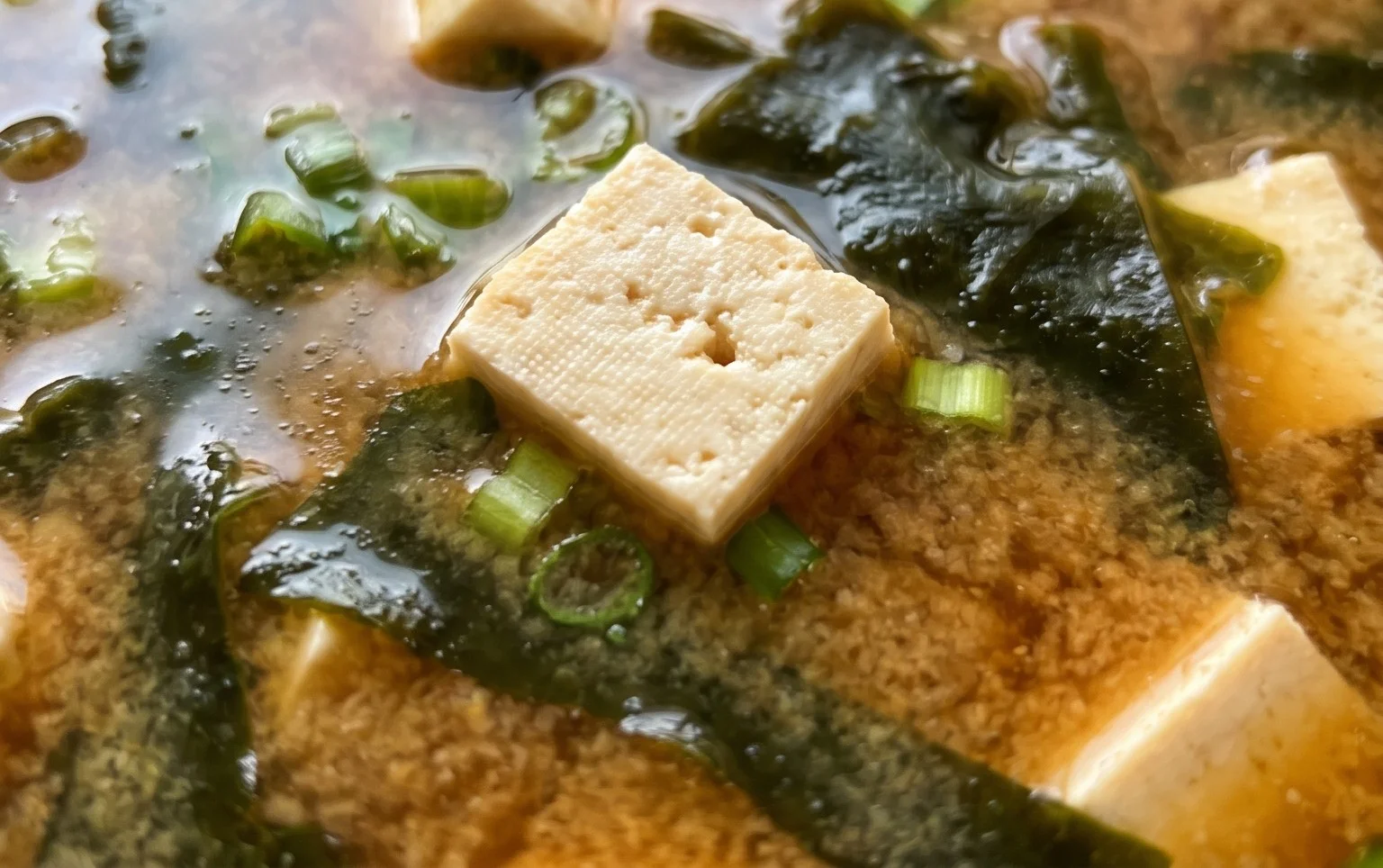
Once you have a smooth miso paste mixture, gently pour it back into the saucepan with the rest of the dashi, tofu, and seaweed. Stir gently to combine everything. Now, here’s the critical part: heat the soup gently over low heat for just about a minute. Watch for the edges of the soup to show tiny bubbles, indicating it’s hot but not boiling. This brief heating is enough to meld the flavors without compromising the miso. Taste the soup and add a little more miso paste if you desire a stronger flavor, remembering to dissolve it properly as described in Step 4. Ladle the hot miso soup into individual bowls. Garnish generously with the chopped scallions. The fresh, bright flavor and vibrant green color of the scallions provide a beautiful contrast and a final burst of freshness. Serve immediately and enjoy the simple perfection of your homemade miso soup.
Conclusion:
There you have it – a simple yet deeply satisfying Miso Soup Recipe that’s incredibly versatile and nourishing. This recipe is fantastic because it’s not just a side dish; it’s a comforting embrace in a bowl. The umami-rich miso, combined with the delicate dashi and customizable add-ins, makes for a truly delightful culinary experience that’s surprisingly easy to master. Whether you’re seeking a light starter, a quick lunch, or a warming accompaniment to your main meal, this miso soup delivers. Feel free to get creative with your additions – tofu, mushrooms, and leafy greens are just the begin extractning!
I truly encourage you to give this Miso Soup Recipe a try. It’s a fundamental building block for many Japanese meals and a wonderful way to introduce yourself to the comforting world of Japanese home cooking. Don’t be afraid to experiment and make it your own!
Frequently Asked Questions:
What kind of miso paste should I use?
You can use white miso (shiro miso) for a milder, slightly sweet flavor, or red miso (aka miso) for a more robust, savory taste. A blend of both also works beautifully for a balanced flavor profile. Start with white miso if you’re new to miso soup!
Can I make this recipe vegan?
Absolutely! Ensure your dashi is made with kombu (kelp) and dried shiitake mushrooms, or use a good quality vegan dashi powder. This makes the entire Miso Soup Recipe suitable for a vegan diet. Avoid using bonito flakes (katsuobushi) if you’re aiming for vegan.
What are some other popular additions to miso soup?
Beyond the basics, many people enjoy adding thinly sliced scallions for a fresh bite, wakame seaweed for a briny chegrape juicess, cubed silken or firm tofu for protein, and various mushrooms like enoki or shiitake for added texture and depth of flavor.
Miso Soup Recipe
A simple and authentic Japanese miso soup recipe, perfect for a quick and flavorful meal.
Ingredients
-
2½ cups Dashi
-
1 heaping tablespoon dried seaweed
-
4 oz silken tofu (cut into small pieces)
-
2-2½ tablespoons miso paste (or to taste)
-
1 tablespoon scallion (chopped)
Instructions
-
Step 1
In a medium pot, combine the Dashi and dried seaweed. -
Step 2
Bring the mixture to a gentle simmer over medium heat. -
Step 3
Once simmering, reduce heat to low and let it cook for about 5 minutes to rehydrate the seaweed. -
Step 4
In a small bowl, whisk the miso paste with a ladleful of the hot Dashi broth until smooth. This prevents clumps. -
Step 5
Gently stir the dissolved miso mixture back into the pot. -
Step 6
Add the silken tofu pieces to the soup. -
Step 7
Heat through for another 2-3 minutes, but do not boil after adding the miso, as it can affect the flavor and nutrients. -
Step 8
Ladle the soup into bowls and garnish with chopped scallions.
Important Information
Nutrition Facts (Per Serving)
It is important to consider this information as approximate and not to use it as definitive health advice.
Allergy Information
Please check ingredients for potential allergens and consult a health professional if in doubt.