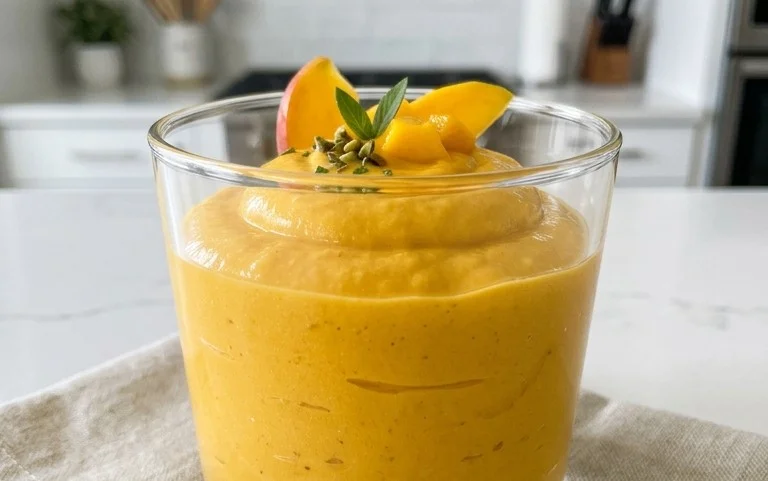
Homemade Fruit Pate no Corn Syrup
Homemade pâtes de fruits, those vibrant, jewel-like confections bursting with pure fruit flavor, are a true delight. For years, I’ve been captivated by their intense taste and delightfully chewy texture, the kind that melts on your tongue and leaves you craving another. Often, recipes for these exquisite treats rely on corn syrup to achieve that perfect consistency, but I’m here to tell you that delicious, corn syrup-free pâtes de fruits are absolutely within your reach! Imagin extracte crafting these luscious morsels in your own kitchen, using only the natural sweetness of fruit and a few simple pantry staples. What makes these homemade pâtes de fruits so special is their unadulterated fruit essence; without the masking sweetness of corn syrup, the true character of your chosen fruit shines through, offering a more sophisticated and nuanced confection. Get ready to impress yourself and everyone you share them with!
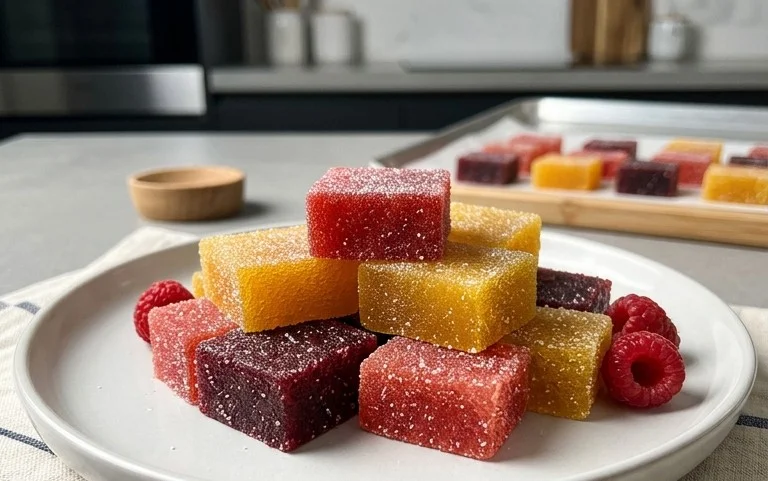
Homemade Pâtes de Fruits (no corn syrup)
There’s something wonderfully indulgent about a perfectly made pâte de fruit. These jewel-like fruit jellies, with their soft, yielding texture and intense burst of flavor, feel like a luxurious treat. For years, I’ve shied away from making them at home, convinced that the process involved tricky ingredients like corn syrup and specialized techniques. But I’m here to tell you, it’s surprisingly achievable, and you can create incredible results without a drop of corn syrup!
The secret lies in understanding the role of pectin and sugar in achieving that signature set. Pectin is a natural gelling agent found in fruits, and by using a good quality classic pectin (often derived from apples or citrus), we can coax our fruit juice into that delightful semi-firm texture. The sugar is crucial not only for sweetness but also for preservation and, importantly, for controlling the final consistency. Too little sugar, and your pâtes de fruits will be too soft; too much, and they can become too firm or even crystallize.
The beauty of this recipe is its versatility. While I’ve used a delightful combination of orange and pomegranate juice for a vibrant and slightly tart profile, feel free to experiment! Pure mango, raspberry, or even a blend of passionfruit and pineapple would be absolutely divine. The key is to use a good quality, unsweetened fruit juice to get the most concentrated flavor.
Ingredients:
Cooking Instructions:
1.
Preparing the Fruit Base and Pectin
Start by measuring out your fruit juice. I like to use a combination of juices for complexity, but a single fruit juice will also work beautifully. In a medium bowl, whisk together the 3 tablespoons of classic pectin with about 1/4 cup of your granulated sugar. This step is crucial for preventing lumps. By pre-mixing the pectin with some sugar, you’re essentially coating the pectin granules, which helps them disperse evenly when added to the liquid and prevents them from clumping together and creating a lumpy texture in your finished pâtes de fruits. Set this mixture aside.
2.
Heating the Fruit Juice and Sugar
In a medium, heavy-bottomed saucepan, combine the remaining 3/4 cup of granulated sugar with your fruit juice. Place the saucepan over medium heat. Stir constantly, making sure to dissolve all the sugar before the mixture begin extracts to simmer. Once the sugar is fully dissolved, bring the mixture to a rolling boil. A rolling boil is a boil that cannot be stirred out. This is important because the pectin needs to reach a specific temperature to activate its gelling properties effectively. Continue to boil for about 1 minute, stirring occasionally.
3.
Incorporating the Pectin Mixture
Now, it’s time to add your pectin and sugar mixture. Gradually whisk the pectin mixture into the boiling fruit juice. Continue to whisk vigorously for about 1 to 2 minutes, ensuring that the pectin is fully incorporated and no lumps remain. As you whisk, you’ll notice the mixture starting to thicken slightly. This is the pectin begin extractning to do its work. Don’t be tempted to stop stirring too soon, as this is where you can develop a smooth, consistent texture. Once you’ve whisked it in thoroughly, add the 1 tablespoon of freshly squeezed lemon juice. The lemon juice adds a touch of brightness that complements the fruit flavors and also helps to activate the pectin.
4.
Cooking to the Setting Point
Continue to cook the mixture over medium-high heat, stirring frequently, until it reaches the setting point. This is the most critical step for achieving the right consistency. You’re looking for the mixture to thicken considerably and reach a temperature of around 220°F (104°C) on a candy thermometer. If you don’t have a thermometer, you can test for the setting point using the “wrinkle test.” Drop a small amount of the mixture onto a chilled plate (you can put a small plate in your freezer for a few minutes beforehand). After about 30 seconds, run your finger through it. If the surface wrinkles, it’s ready. The mixture should be thick and viscous, coating the back of a spoon. This process can take anywhere from 5 to 10 minutes, depending on your stove and saucepan. Be patient here!
5.
Pouring and Cooling the Pâtes de Fruits
Once the mixture has reached its setting point, immediately remove the saucepan from the heat. Carefully pour the hot mixture into a prepared baking dish. I highly recommend lining an 8×8 inch square baking dish with parchment paper, leaving some overhang on the sides to easily lift the set jelly out later. You can also lightly grease the parchment paper with a neutral oil if you’re concerned about sticking. Let the mixture cool at room temperature for about 30-60 minutes, or until it has started to set but is still slightly warm and pliable. This initial cooling period is important for allowing the pectin to fully set before you cut it.
6.
Cutting and Coating
Once the jelly has cooled and is firm to the touch, but still slightly pliable, it’s time to cut it into desired shapes. Dust a clean cutting board generously with granulated sugar. Use a sharp knife or a pizza cutter dipped in sugar to cut the jelly into small squares or rectangles. As you cut, immediately toss each piece in the additional granulated sugar, ensuring all sides are well coated. This sugar coating prevents the pâtes de fruits from sticking to each other and gives them their characteristic finish.
7.
Drying and Storing
Arrange the sugar-coated pâtes de fruits in a single layer on a parchment-lined baking sheet or a wire rack. Allow them to air dry at room temperature for at least 24 hours, or even up to 48 hours. This drying process is crucial for developing the perfect chewy texture. The sugar coating will absorb some of the moisture, creating a slightly firm exterior. Once dried, you can store your homemade pâtes de fruits in an airtight container at room temperature for up to two weeks. Enjoy these little bursts of fruity goodness!
*Note: Classic pectin, also known as powdered pectin, is readily available in the canning or baking aisle of most supermarkets. Ensure you are using classic pectin and not a liquid or low-sugar variety, as these will have different gelling properties and may require adjustments to the recipe.
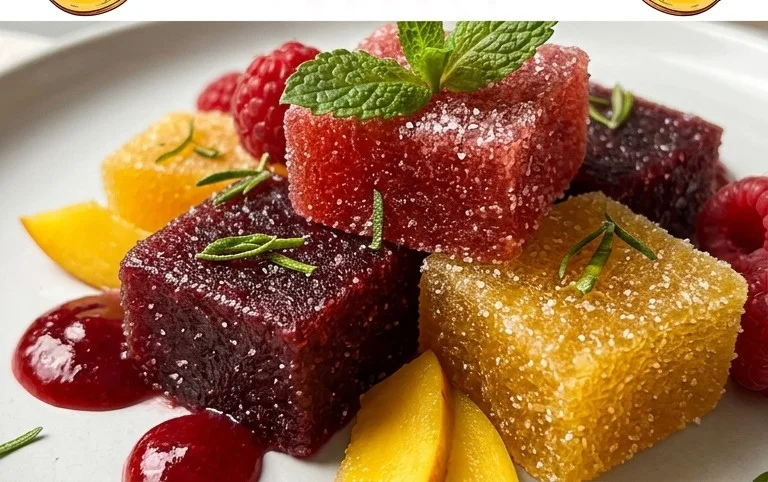
Conclusion:
You’ve now got the blueprint to create your own stunning and delicious homemade pâtes de fruits without relying on corn syrup! This recipe truly shines because it allows the vibrant, natural fruit flavors to take center stage. The result is a healthier, intensely fruity confection with a delightful chewy texture that’s incredibly satisfying. They’re perfect for gifting, elevating your dessert platter, or simply enjoying as a sophisticated treat. Don’t be afraid to experiment with different fruits – imagin extracte vibrant raspberry, tangy passionfruit, or even exotic mango versions! These pâtes de fruits are wonderfully versatile. Serve them alongside cheese, with coffee or tea, or incorporate them into other desserts for a burst of flavor and color. I truly encourage you to try this recipe; the process is rewarding, and the outcome is simply spectacular!
Frequently Asked Questions:
Why is there no corn syrup in this recipe?
This recipe intentionally omits corn syrup to focus on the pure, natural taste of the fruit. Corn syrup can sometimes mute delicate fruit flavors and add an undesirable texture for some. By using a simple sugar syrup and pectin, we achieve a beautiful chewy consistency that lets the fruit be the star.
How should I store my homemade pâtes de fruits?
Once your homemade pâtes de fruits are fully set and cut, store them in an airtight container at room temperature. You can layer them with parchment paper to prevent sticking. They should stay fresh and delicious for about 1-2 weeks, though they rarely last that long!
Can I use frozen fruit to make these pâtes de fruits?
Yes, you absolutely can! If using frozen fruit, thaw it completely and drain off any excess liquid before proceeding with the recipe. You might need to slightly adjust the cooking time depending on the water content of the thawed fruit.
Homemade Pâtes de Fruits (no corn syrup)
Delicious and vibrant pâtes de fruits made with fruit juice and sugar, without using corn syrup.
Ingredients
-
2 cups fruit juice (orange and pomegranate used)
-
1 cup granulated sugar, plus more for coating
-
3 tablespoons classic pectin
-
1 tablespoon freshly squeezed lemon juice
Instructions
-
Step 1
In a medium saucepan, whisk together the fruit juice, granulated sugar, and lemon juice. -
Step 2
Sprinkle the pectin over the mixture and let it sit for 1 minute to hydrate. -
Step 3
Place the saucepan over medium-high heat and stir constantly until the sugar is dissolved and the mixture comes to a rolling boil. -
Step 4
Continue to boil, stirring, for 1 minute. The mixture should thicken considerably. -
Step 5
Carefully pour the hot mixture into a parchment-lined 8×8 inch baking pan. Smooth the top. -
Step 6
Let the mixture cool at room temperature for at least 4 hours, or until firm. -
Step 7
Once set, cut the pâtes de fruits into desired shapes (squares or rectangles). -
Step 8
Toss the cut pieces in granulated sugar to coat.
Important Information
Nutrition Facts (Per Serving)
It is important to consider this information as approximate and not to use it as definitive health advice.
Allergy Information
Please check ingredients for potential allergens and consult a health professional if in doubt.