Perfect Ramen Eggs Ajitama-Easy Marinated Soft Boiled
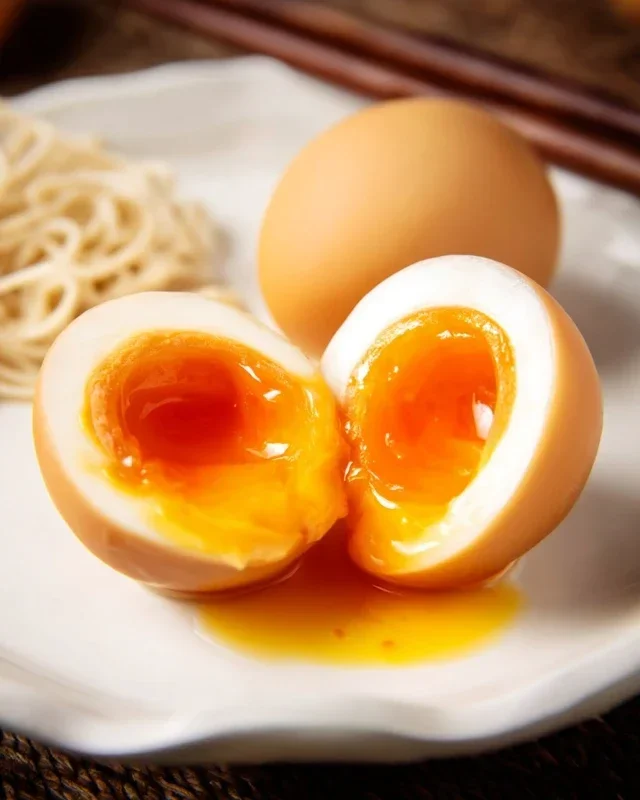
Ramen eggs, or ajitama, are more than just a topping; they are a culinary revelation, a little pocket of savory perfection that elevates any bowl of noodles to stratospheric heights. Have you ever taken that first bite into a perfectly cooked ramen egg, the yielding yolk a molten river of flavor, and thought, “This is what it’s all about”? I know I have! These marinated soft-boiled eggs have become a beloved staple in ramen shops worldwide for a reason. What makes them so special? It’s the magic that happens during the marination process. The humble egg absorbs the rich, umami-packed marinade, transforming into something truly extraordinary – a tender, flavorful gem that bursts with goodness. Learning to make your own perfect ramen eggs is a game-changer for any noodle lover.
Ramen Eggs (Ajitama)
There’s something truly magical about a perfectly cooked ramen egg. Those golden yolks, custardy and rich, nestled against a savory, umami-packed marinade – it’s a small detail that elevates a humble bowl of ramen to an art form. Making your own ajitama, as they’re known in Japan, is surprisingly simple and incredibly rewarding. Once you’ve mastered this technique, you’ll find yourself adding these delightful marinated eggs to all sorts of dishes, not just ramen. They’re fantastic on avocado toast, in salads, or even just enjoyed on their own as a protein-packed snack. The key is to achieve that perfect jammy yolk consistency and infuse it with a deep, complex flavor.
This recipe is designed to be straightforward, even for begin extractners. We’ll walk through each step with plenty of detail to ensure you get those perfect ramen eggs every time. The marinade is a simple yet effective blend of savory soy sauce, sweet non-alcoholic mirin, and sugar, creating a balanced flavor profile that permeates the egg without overpowering its natural richness.
Ingredients:
Cooking Instructions:
Boiling the Eggs
The first and arguably most crucial step is to get the egg boiling just right. The goal is a jammy, slightly undercooked yolk. This can be a little tricky at first, as egg sizes and stovetop temperatures can vary. Don’t be discouraged if your first batch isn’t absolutely perfect; it will still taste amazing!
1. Prepare the Water Bath: Fill a medium saucepan with enough water to fully submerge your eggs. If you’re using vinegar, add a splash (about 1 teaspoon) to the water. The vinegar helps to prevent the whites from leaking if an egg cracks during boiling. Bring the water to a rolling boil over medium-high heat.
2. Gentle Egg Addition: Once the water is at a steady boil, carefully lower the eggs into the water. You can use a slotted spoon or a spider strainer to do this gently. Avoid dropping them in, as this can cause them to crack. Once all the eggs are in, reduce the heat slightly to maintain a gentle simmer, not a vigorous boil. This gentle simmer is key to preventing the eggs from bouncing around too much and cracking.
3. Timing is Everything: Now, set your timer. For a perfectly jammy yolk, aim for 6 minutes and 30 seconds. This is the sweet spot for most large eggs. If you prefer a slightly firmer yolk, you can increase this to 7 minutes. For a runnier yolk, try 6 minutes. It might be helpful to have a timer set to your preferred time and start it immediately after adding the eggs.
4. Immediate Ice Bath: As soon as the timer goes off, immediately remove the eggs from the hot water using your slotted spoon or spider. Plunge them directly into a bowl filled with ice water. This is a critical step for stopping the cooking process instantly and ensuring that perfect jammy texture. It also makes the eggs much easier to peel. Let them sit in the ice bath for at least 10-15 minutes, or until they are completely cooled.
Marinating the Eggs
While the eggs are cooling, it’s time to prepare the marinade. This simple mixture will infuse the eggs with all that delicious ramen flavor.
1. Whisk Together the Marinade: In a small bowl or a resealable bag, combine the ½ cup of light sodium soy sauce, ¼ cup of water, ¼ cup of non-non-non-alcoholic alternativeic non-alcoholic mirin, and 2 tablespoons of granulated sugar. Whisk or shake until the sugar is completely dissolved. Taste it – it should be savory and slightly sweet. If you like a bit more sweetness, you can add an extra teaspoon of sugar. The non-non-non-alcoholic alternativeic non-alcoholic mirin is important here, as non-non-alcoholic alternativeic non-alcoholic mirin can sometimes impart a harsh flavor when not cooked.
The Marination Process
This is where the magic happens. Properly marinating the eggs is what gives them their signature ajitama flavor and color.
1. Peel and Marinate: Once the eggs are thoroughly chilled, carefully peel them. Try to do this under cool running water, which can help release the shell. Be gentle, as the whites might be slightly more delicate due to the quick cooking. Once peeled, place the eggs into a container or the resealable bag with the marinade. Ensure the eggs are fully submerged. If using a container, you might need to gently press them down or use a small plate to keep them submerged.
2. Refrigerate and Infuse: Seal the container or bag and refrigerate for at least 4 hours, but ideally for 8-24 hours. The longer they marinate, the deeper the flavor and the more the beautiful amber color will develop on the egg whites. I often let mine marinate overnight for the best results. You can turn them gently every few hours if you remember, to ensure even marination.
Enjoy your homemade ramen eggs! They are a fantastic addition to any ramen bowl, adding that perfect burst of flavor and texture. Don’t forget to save the leftover marinade – it’s fantastic for stir-fries or other dishes!
Conclusion:
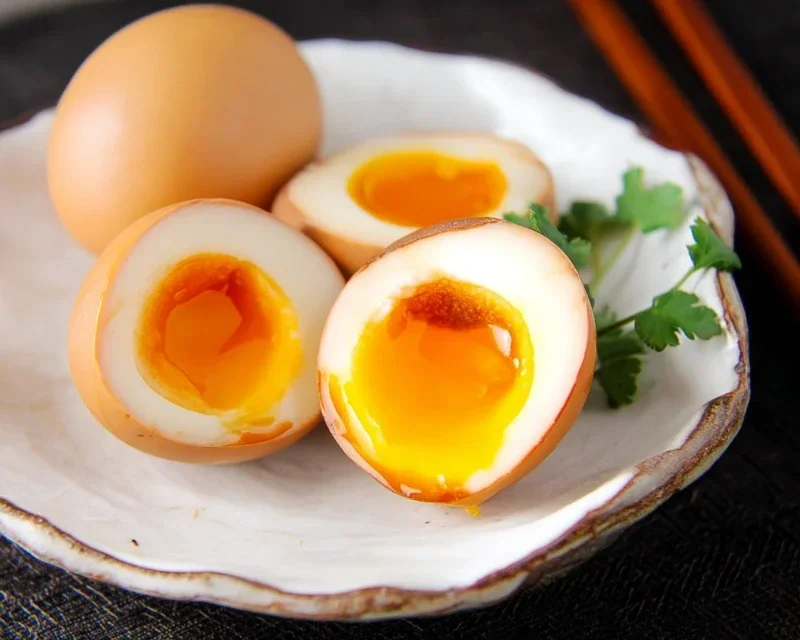
There you have it! Creating these perfect Ramen Eggs, or Ajitama, is a surprisingly simple yet incredibly rewarding culinary adventure. The magic lies in their ability to elevate any dish with their custardy yolks and savory, marinated whites. I genuinely believe this recipe is fantastic because it transforms a humble boiled egg into a flavor powerhouse that adds depth and sophistication to even the simplest meals. They’re not just for ramen; these marinated eggs are incredibly versatile!
So, what are you waiting for? Don’t be intimidated by the marinating process – it’s mostly hands-off! Give this Ramen Egg recipe a try. I encourage you to experiment and discover your own favorite ways to enjoy them. Whether you’re a seasoned home cook or just starting, making these Ajitama will bring a touch of restaurant-quality deliciousness to your table.
Frequently Asked Questions:
How long do Ramen Eggs last in the refrigerator?
Properly stored in an airtight container, your delicious Ramen Eggs should stay fresh and flavorful in the refrigerator for about 3 to 5 days. This makes them perfect for prepping ahead!
Can I use a different marinade for my Ramen Eggs?
Absolutely! While soy sauce, non-alcoholic mirin, and non-alcoholic sake are classic, feel free to get creative. You can try adding a splash of rice vinegar for tangin extractess, a pinch of sugar for sweetness, or even a bit of chili oil for a spicy kick. Some people also like to add a bit of gin extractger or garlic to the marinade for extra aroma.
What are some other ways to serve Ramen Eggs besides in ramen?
The possibilities are endless! I love slicing them in half and serving them over avocado toast, adding them to poke bowls, topping a simple rice dish with them, or even incorporating them into a hearty salad. Their rich flavor and creamy texture make them a fantastic addition to so many savory creations.
Ramen Eggs (Ajitama)
Perfectly seasoned soft-boiled eggs with a rich, jammy yolk, ideal for topping ramen or enjoying as a snack.
Ingredients
-
6 large eggs
-
1/2 cup soy sauce (light sodium)
-
1/4 cup water
-
1/4 cup non-alcoholic mirin
-
2 tablespoons granulated sugar
-
1 teaspoon vinegar (optional for boiling eggs)
Instructions
-
Step 1
Bring a pot of water to a rolling boil. If using vinegar, add it to the boiling water. Gently lower the eggs into the boiling water. -
Step 2
Boil the eggs for exactly 7 minutes for a jammy yolk. Immediately transfer the eggs to an ice bath to stop the cooking process. -
Step 3
While the eggs are chilling, prepare the marinade by whisking together soy sauce, water, non-alcoholic mirin, and granulated sugar in a bowl or a sealable bag. -
Step 4
Once the eggs are cool enough to handle, carefully peel them. Be gentle to avoid damaging the whites. -
Step 5
Place the peeled eggs into the marinade, ensuring they are fully submerged. If using a bowl, you may need to weigh them down. If using a bag, squeeze out excess air. -
Step 6
Marinate the eggs in the refrigerator for at least 4 hours, or preferably overnight, for the best flavor. Flip them halfway through if using a bowl to ensure even marination.
Important Information
Nutrition Facts (Per Serving)
It is important to consider this information as approximate and not to use it as definitive health advice.
Allergy Information
Please check ingredients for potential allergens and consult a health professional if in doubt.