Spicy Potato Noodles- Quick & Flavorful Recipe
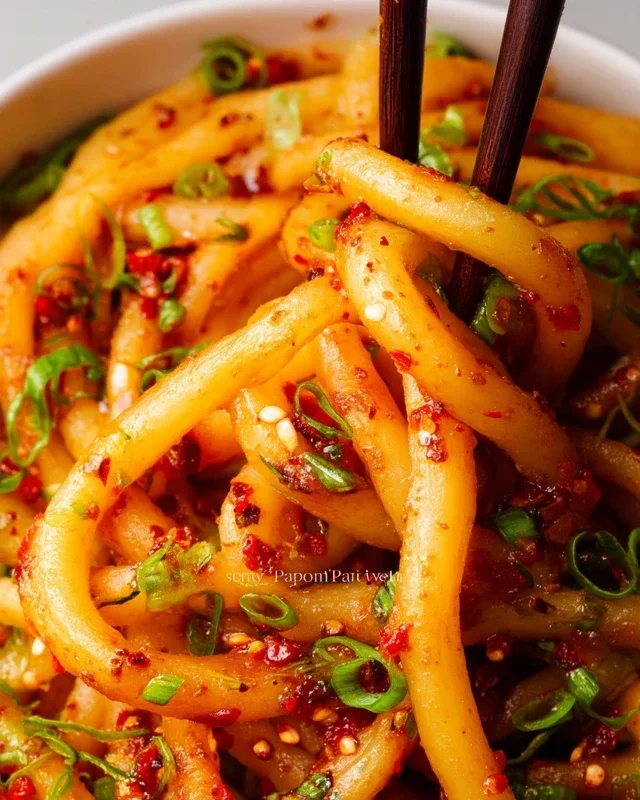
Spicy Potato Noodles are an absolute revelation, a dish that has truly captured my heart and my taste buds. If you’re anything like me, the thought of tender, yielding potato noodles bathed in a vibrant, fiery sauce is enough to make your mouth water. This isn’t just another noodle dish; it’s an experience. People adore these Spicy Potato Noodles for their incredible texture – the potato starch lends a satisfying chegrape juicess that’s utterly addictive, a delightful contrast to the usual wheat-based varieties. What truly sets them apart, though, is the symphony of flavors. We’re talking about a perfect balance of heat from chilies, a savory depth from umami-rich ingredients, and a hint of sweetness that ties it all together. It’s comforting, exciting, and surprisingly easy to whip up, making it a weeknight savior and a weekend showstopper all rolled into one. Get ready to fall in love with these Spicy Potato Noodles!
Spicy Potato Noodles
If you’re looking for a dish that’s both comforting and exciting, get ready to fall in love with these Spicy Potato Noodles. Forget the store-bought stuff; we’re going to make incredibly satisfying, chewy noodles from scratch using just a few humble ingredients. The magic happens when tender potato dough transforms into springy noodles, coated in a vibrant, spicy, and tangy sauce. This recipe is surprisingly simple, yet the result is a restaurant-quality meal that’s perfect for a weeknight dinner or a flavorful side dish.
Ingredients:
Cooking Instructions
Let’s get started on these delightful noodles! The process can be broken down into a few key stages: preparing the potato, making the noodle dough, shaping the noodles, cooking the noodles, and finally, tossing them in our irresistible sauce.
1. Preparing the Potato Base
The foundation of our delicious noodles lies in perfectly cooked potatoes. Take your peeled and 1-inch cubed russet potatoes and place them in a medium saucepan. Add enough water to generously cover the potatoes and a ½ teaspoon of salt to season them from the inside out. Bring this to a boil over medium-high heat, then reduce the heat to a simmer. You’ll want to cook the potatoes until they are fork-tender. This usually takes about 15-20 minutes, depending on the size of your potato pieces. The key here is to ensure they are soft enough to mash into a smooth consistency. Once they are tender, drain them thoroughly. It’s important to get as much water out as possible. You can even let them sit in the colander for a few minutes to allow excess moisture to evaporate.
2. Crafting the Noodle Dough
Now, for the most satisfying part: turning those cooked potatoes into dough! While the potatoes are still warm (but cool enough to handle), transfer them to a bowl. Mash them very well until you have a smooth, lump-free puree. A potato ricer is excellent for this, but a sturdy masher or even a fork can work. Then, gradually add the 1½ cups of potato starch to the mashed potatoes, mixing it in with your hands or a sturdy spoon until a shaggy dough begin extracts to form. Next, slowly drizzle in the ½ cup of warm water, a little at a time, while continuing to mix. You’re aiming for a smooth, pliable dough that isn’t too sticky. If the dough feels too wet, add a tablespoon more potato starch. If it seems too dry and crum extractbly, add a teaspoon of water at a time. Knead the dough on a lightly floured surface for about 5 minutes until it’s smooth and elastic. This kneading process is crucial for developing the gluten and achieving that signature chewy texture of potato noodles. Once kneaded, cover the dough with a damp cloth or plastic wrap and let it rest for at least 15 minutes. This resting period allows the starch to hydrate fully, making the dough easier to work with.
3. Shaping the Noodles
This is where we get creative and make those beautiful noodles! You have a couple of options for shaping. The simplest is to take a portion of the rested dough and roll it into a log about ½ inch in diameter. Then, using a knife or bench scraper, cut the log into small pieces, about ½ inch long. You can then press each piece with your thumb to create a ridged surface, which helps the sauce cling better. Alternatively, if you want to get more traditional, you can roll out the dough thinly and cut it into noodle strips, or even use your hands to pinch off small pieces and then roll and flatten them. The key is to keep your hands and the work surface lightly dusted with potato starch to prevent sticking. Work with the dough in batches, keeping the unused portions covered so they don’t dry out.
4. Cooking and Draining the Noodles
Bring a large pot of generously salted water to a rolling boil. Carefully add your shaped potato noodles to the boiling water. Don’t overcrowd the pot; cook them in batches if necessary. The noodles will sink to the bottom initially, but as they cook, they will float to the surface. Stir them gently as they cook to prevent them from sticking together. They typically take about 3-5 minutes to cook once they float. You’ll know they’re done when they are tender and slightly chewy. Once cooked, use a slotted spoon or a spider strainer to lift the noodles out of the boiling water. You can either directly transfer them to your prepared sauce (if it’s ready), or rinse them briefly under cold water to stop the cooking process and prevent them from sticking if you plan to sauce them later.
5. Assembling the Spicy Sauce and Tossing
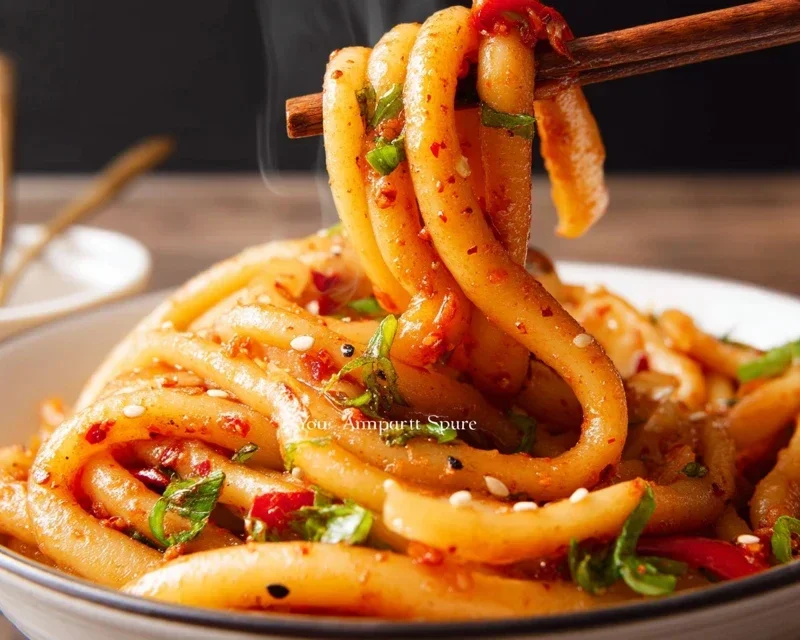
This sauce is what truly brings these Spicy Potato Noodles to life! In a medium bowl, whisk together the 2 tablespoons of regular soy sauce, 2 tablespoons of Chinese black vinegar, 2 tablespoons of gochugaru (which provides that wonderful heat and color), 1¼ teaspoons of granulated sugar to balance the flavors, and the ⅛ teaspoon of salt. Make sure the sugar and salt are dissolved. In a separate small skillet or wok, heat the 3 tablespoons of neutral oil over medium heat. Add the minced garlic and sauté for about 30 seconds until fragrant, being careful not to burn it. Immediately pour this garlic-infused oil into the sauce mixture. Add the sliced green onion to the sauce as well. Now, add your cooked potato noodles to the bowl with the sauce. Gently toss everything together until the noodles are evenly coated. Finally, garnish generously with the roughly chopped cilantro. The combination of the spicy, tangy sauce, the savory garlic, the fresh green onion, and the bright cilantro creates an explosion of flavor that perfectly complements the chewy potato noodles. Serve immediately and enjoy every delicious bite!
Conclusion:
I hope you’re as excited to try these Spicy Potato Noodles as I am! This recipe truly shines because of its incredible versatility and the surprising depth of flavor you can achieve with simple, accessible ingredients. The potato noodles themselves offer a wonderfully chewy and satisfying texture that acts as the perfect canvas for the vibrant, spicy sauce. It’s a dish that’s both comforting and invigorating, making it ideal for a weeknight meal or a fun weekend project.
For serving, I love pairing these spicy delights with a cooling side of cucumber salad or some steamed bok choy to balance the heat. A sprinkle of toasted sesame seeds and fresh cilantro adds a beautiful finishing touch. Don’t be afraid to experiment with variations! You can easily add protein like pan-fried tofu or shredded chicken, or boost the veggies by tossing in bell peppers, mushrooms, or snow peas. The possibilities are endless.
I truly encourage you to give this Spicy Potato Noodles recipe a go. It’s a fantastic way to explore new textures and flavors, and I’m confident you’ll find it to be a rewarding and delicious culinary adventure. Let me know how it turns out!
Frequently Asked Questions:
Can I make the sauce less spicy?
Absolutely! If you prefer a milder heat, you can significantly reduce the amount of chili flakes and chili oil. Alternatively, you can swap some of the chili components for a sweet chili sauce or a touch of gochujang for a different kind of flavor profile without the intense spice. Tasting and adjusting is key!
What kind of potatoes are best for the noodles?
Starchy potatoes like Russets or Yukon Golds work best for creating the chewy texture in these noodles. They have a higher starch content, which is essential for binding the dough and achieving that signature chegrape juicess after cooking.
How do I store leftover Spicy Potato Noodles?
Leftovers can be stored in an airtight container in the refrigerator for up to 2-3 days. I recommend reheating them gently in a pan with a splash of water or broth to prevent them from drying out. While they might lose a tiny bit of their origin extractal chegrape juicess, they’ll still be incredibly delicious!
Spicy Potato Noodles
Chewy and satisfying potato noodles tossed in a flavorful spicy sauce, perfect for a quick and delicious meal.
Ingredients
-
1.1 pounds russet potato (peeled and cut into 1 inch pieces)
-
1½ cup potato starch
-
½ cup water (warm)
-
2 tablespoons regular soy sauce
-
2 tablespoons Chinese black vinegar
-
2 tablespoons gochugaru (coarse)
-
1¼ teaspoons granulated sugar
-
⅛ teaspoon salt
-
2 tablespoons garlic (minced)
-
1 stalk green onion (sliced)
-
3 tablespoons oil (any neutral oil)
-
⅓ cup cilantro (roughly chopped)
Instructions
-
Step 1
Boil the peeled and cut russet potatoes until fork-tender. Drain well and mash or rice them until smooth. -
Step 2
In a bowl, combine the mashed potatoes with 1½ cups potato starch and ½ teaspoon salt. Mix until a cohesive dough forms. -
Step 3
Knead the dough on a lightly floured surface for a few minutes until smooth. Divide the dough into several portions and roll each into a long rope, about ½ inch in diameter. -
Step 4
Cut the ropes into 1-inch pieces. You can either press each piece with your thumb to create a ridged noodle shape or simply leave them as short cylinders. -
Step 5
Bring a large pot of water to a boil. Add the potato noodles and cook until they float to the surface and are tender, about 5-8 minutes. -
Step 6
While the noodles cook, whisk together 2 tablespoons regular soy sauce, 2 tablespoons Chinese black vinegar, 2 tablespoons gochugaru, 1¼ teaspoons granulated sugar, ⅛ teaspoon salt, and 2 tablespoons minced garlic in a small bowl. -
Step 7
Heat 3 tablespoons of neutral oil in a skillet over medium heat. Add the sliced green onion and sauté for about 1 minute until fragrant. -
Step 8
Add the prepared sauce to the skillet with the green onions and stir well. Cook for 1-2 minutes until slightly thickened. -
Step 9
Drain the cooked potato noodles and add them directly to the skillet with the sauce. Toss gently to coat all the noodles. -
Step 10
Serve immediately, garnished with roughly chopped cilantro.
Important Information
Nutrition Facts (Per Serving)
It is important to consider this information as approximate and not to use it as definitive health advice.
Allergy Information
Please check ingredients for potential allergens and consult a health professional if in doubt.